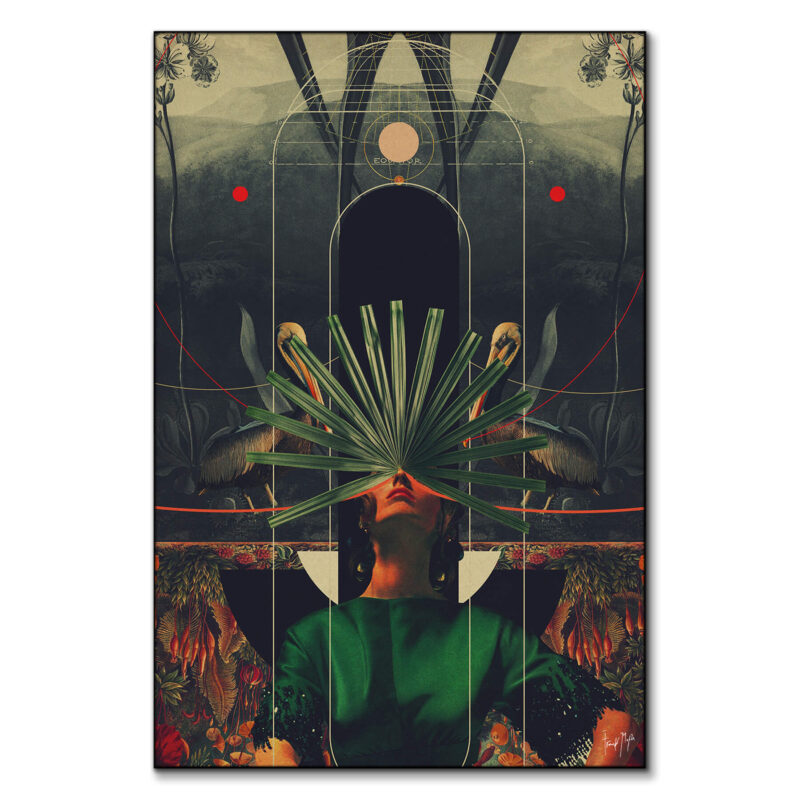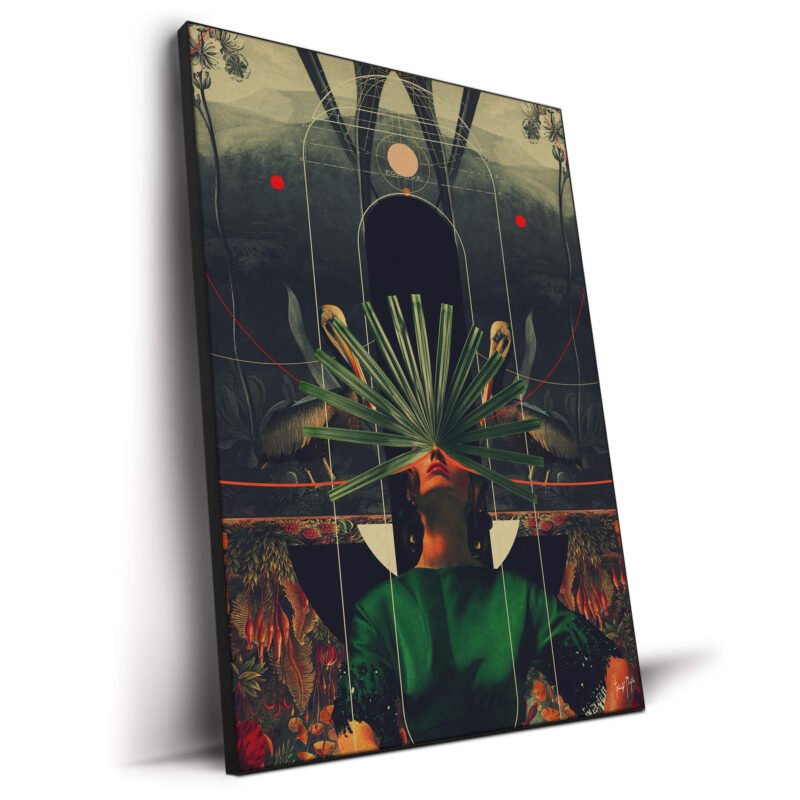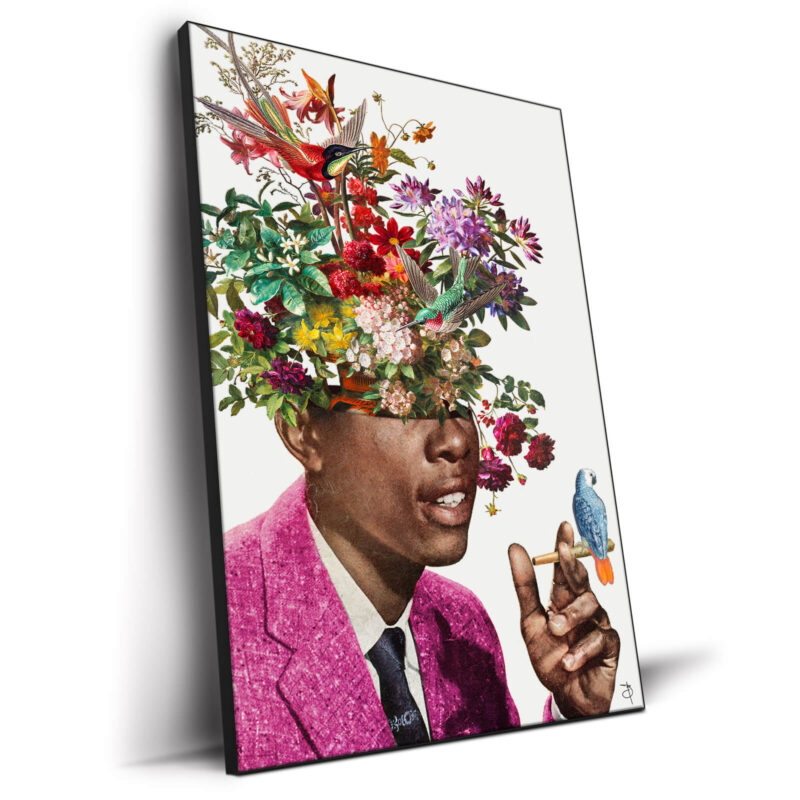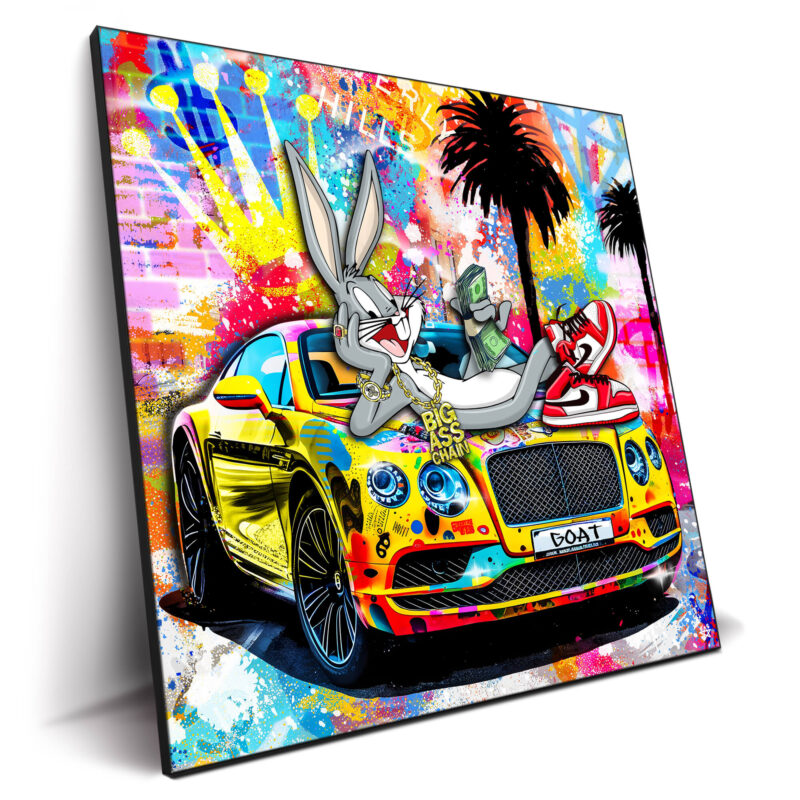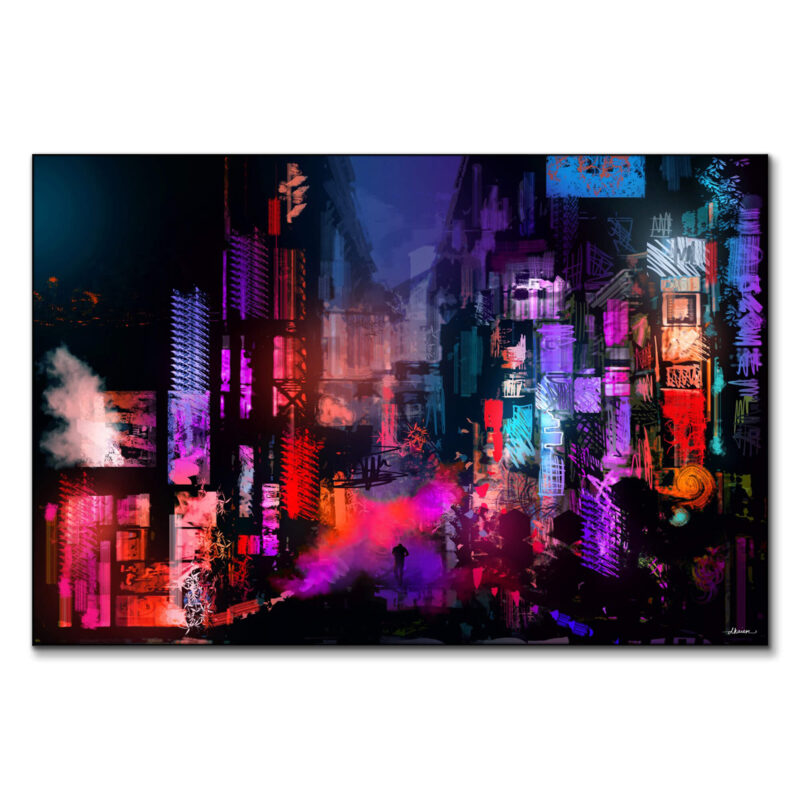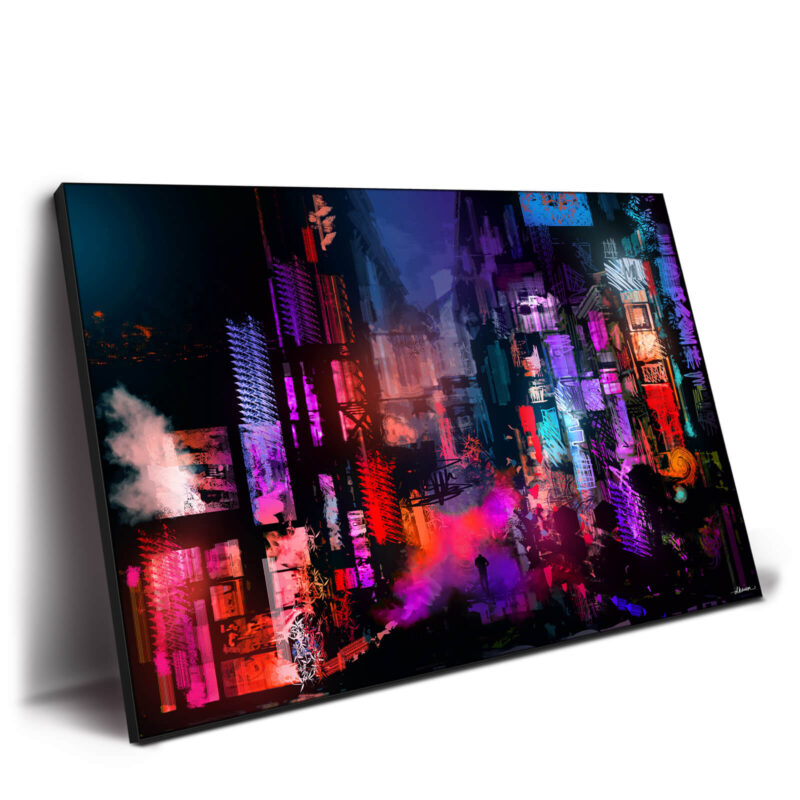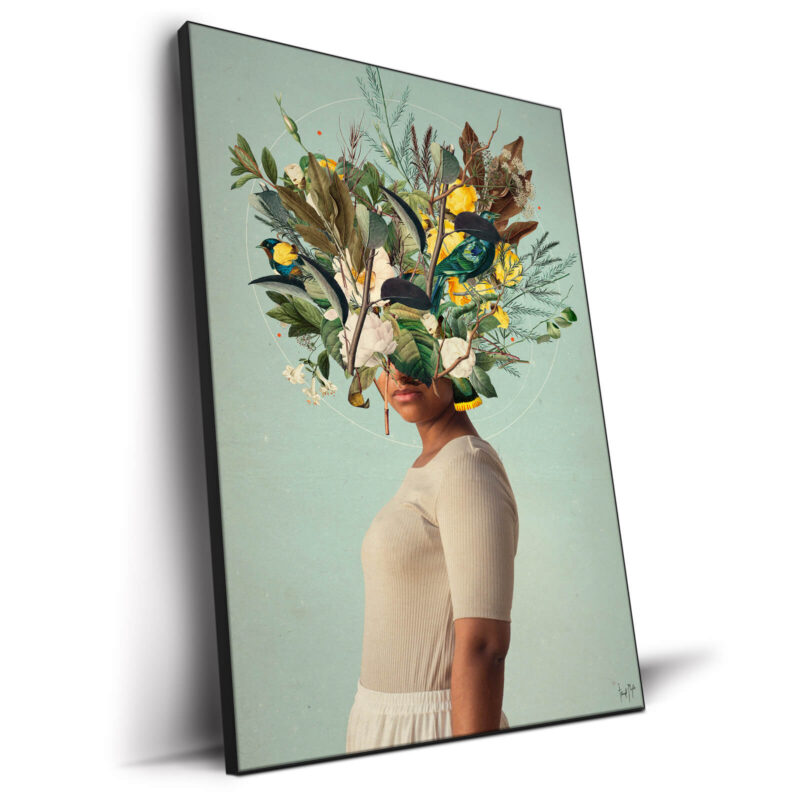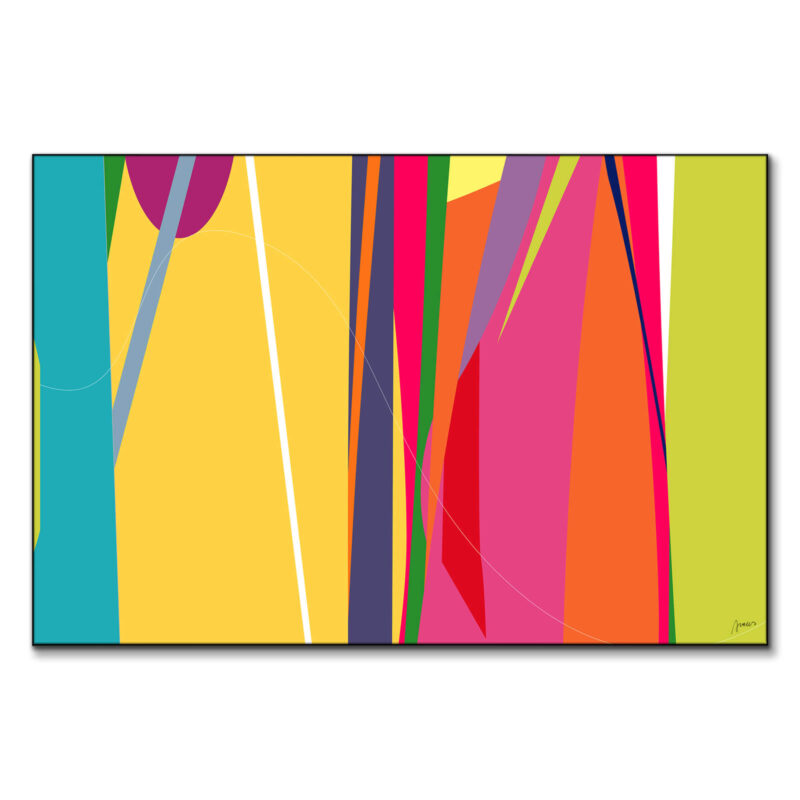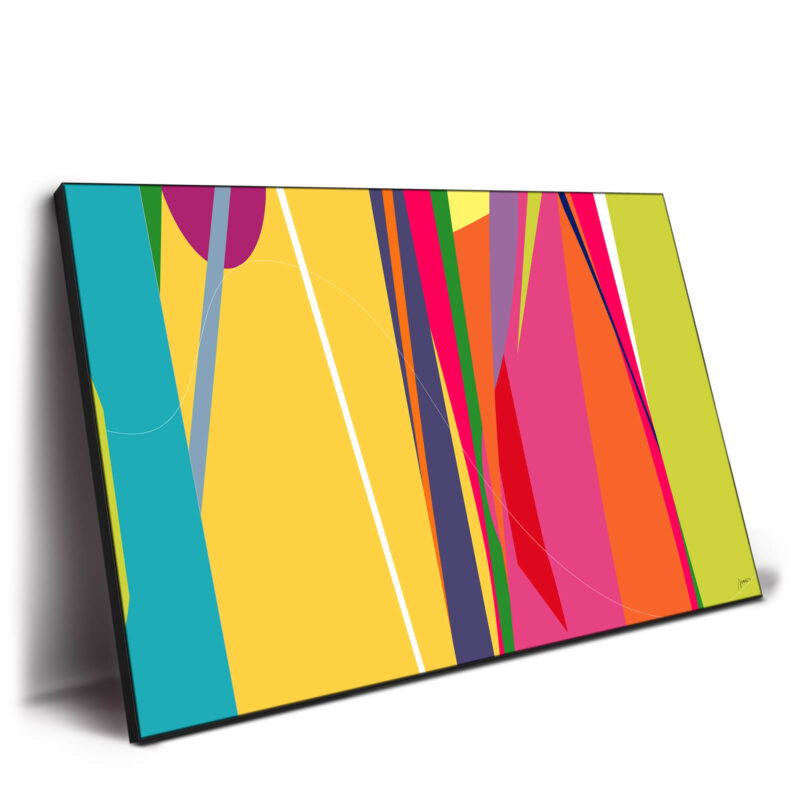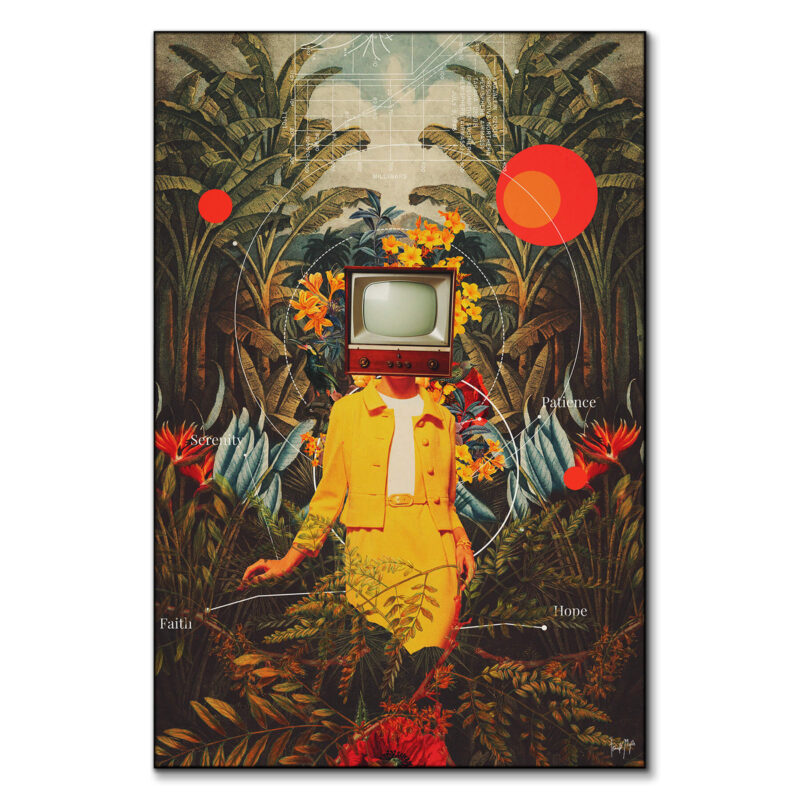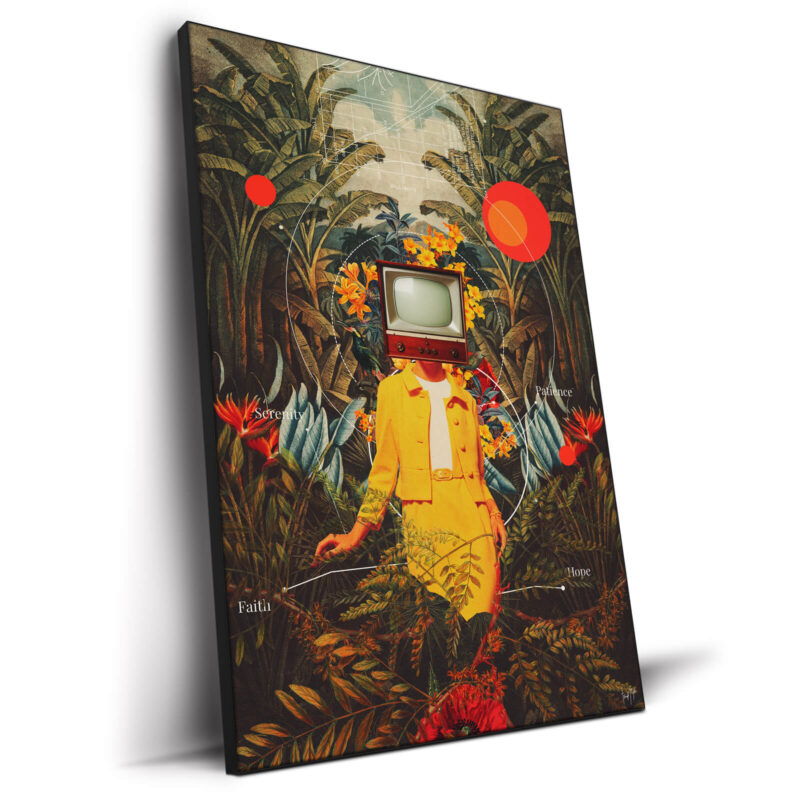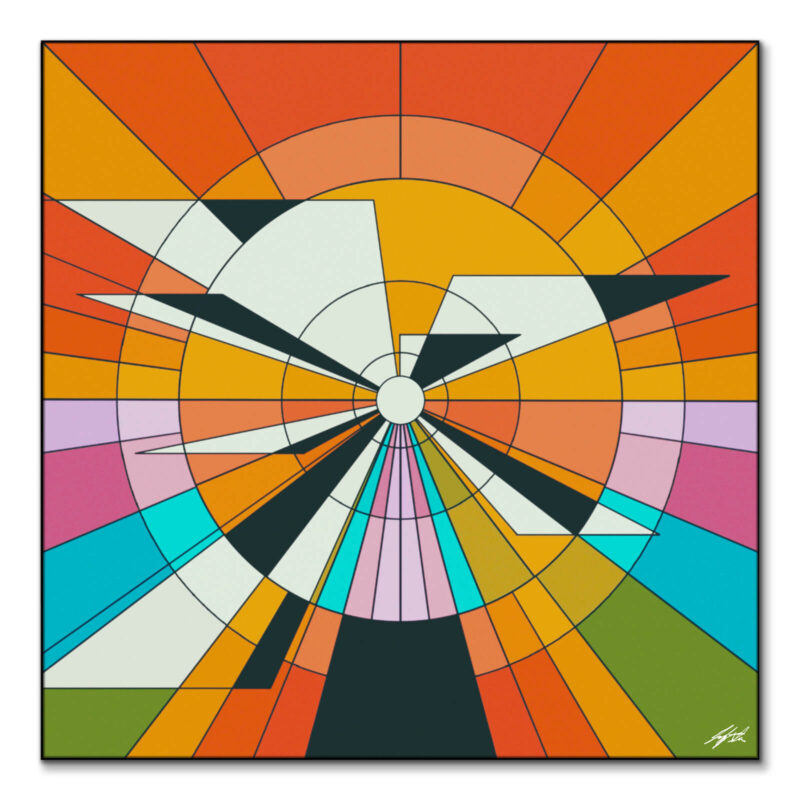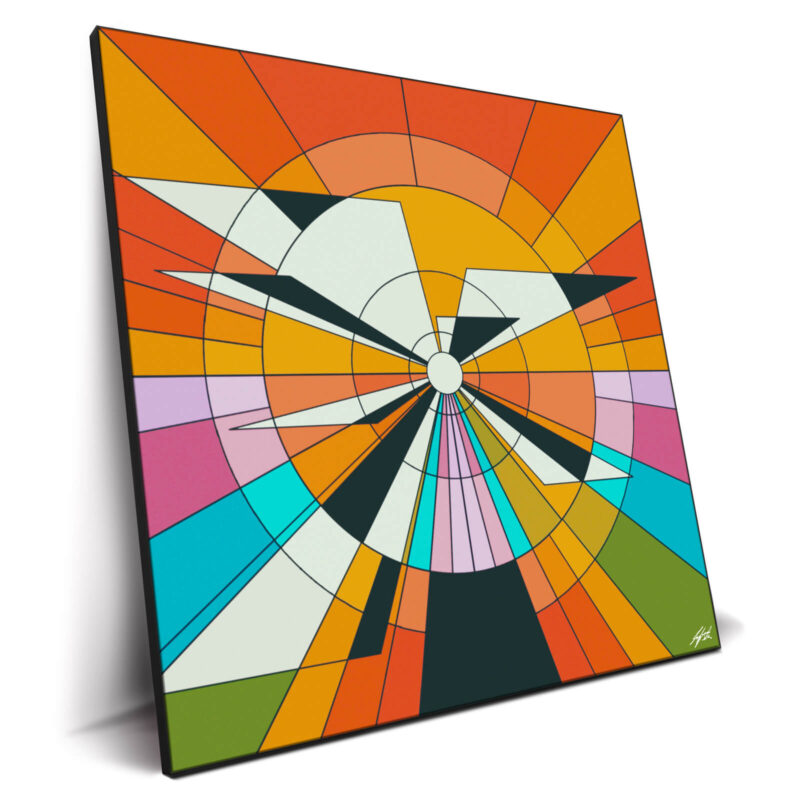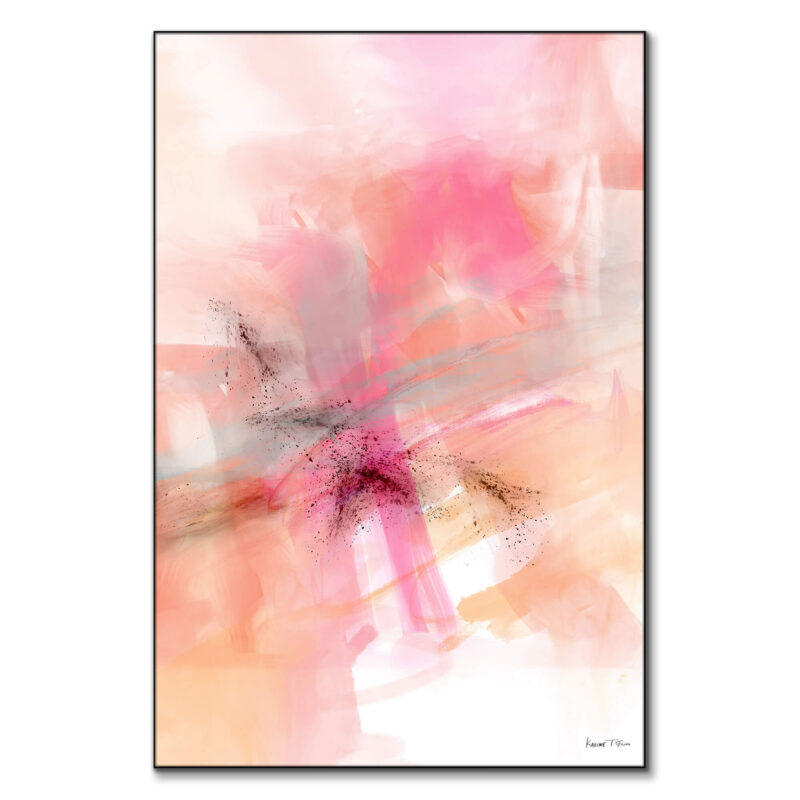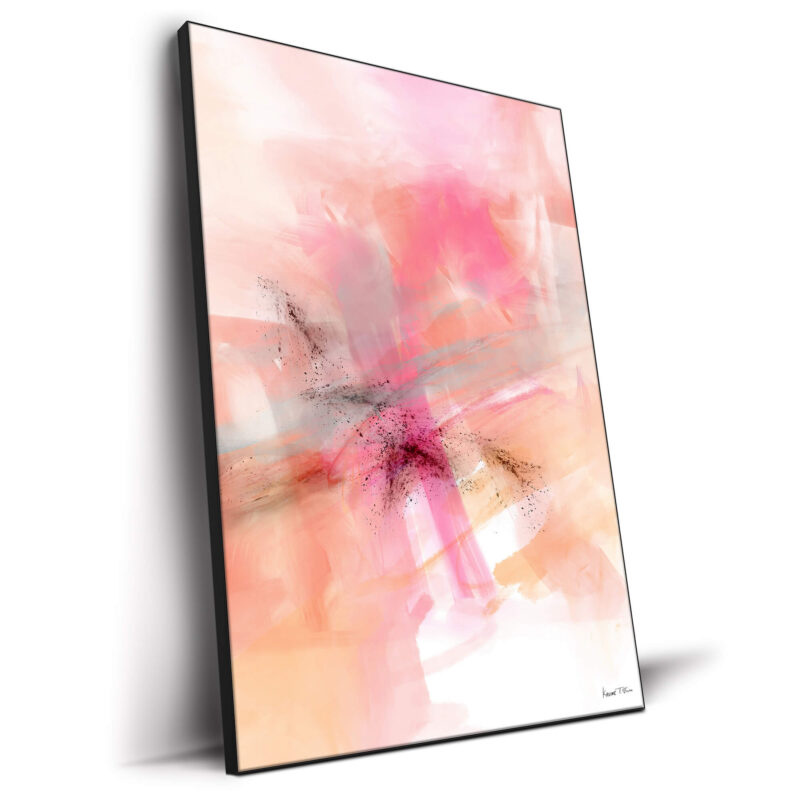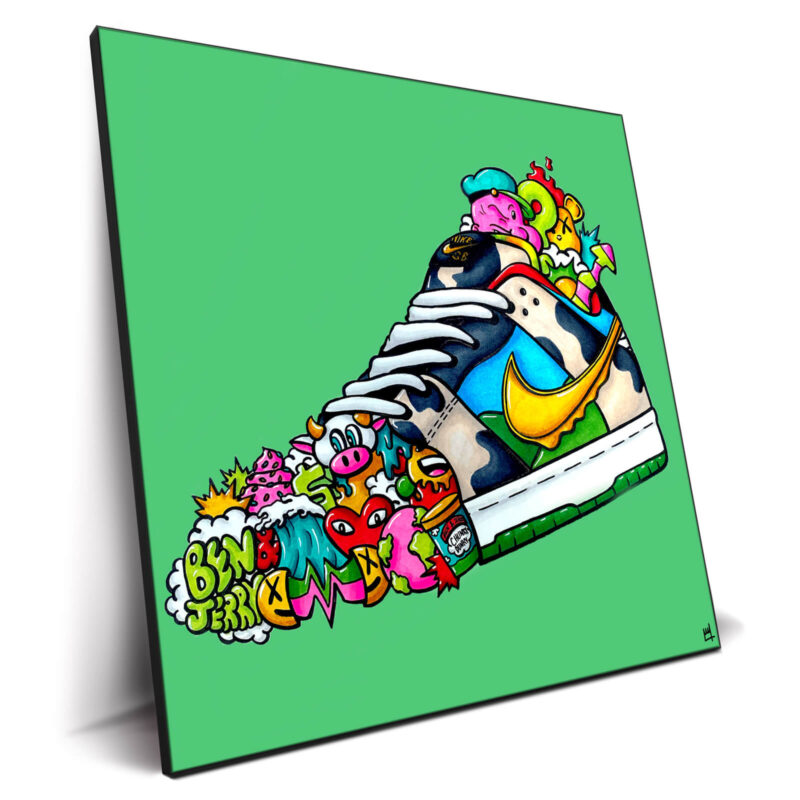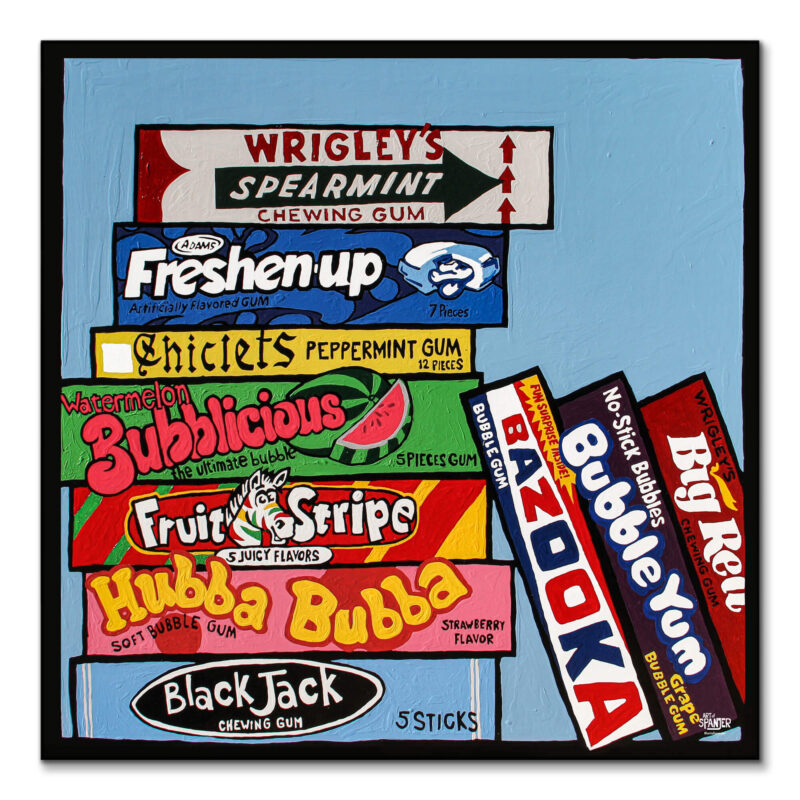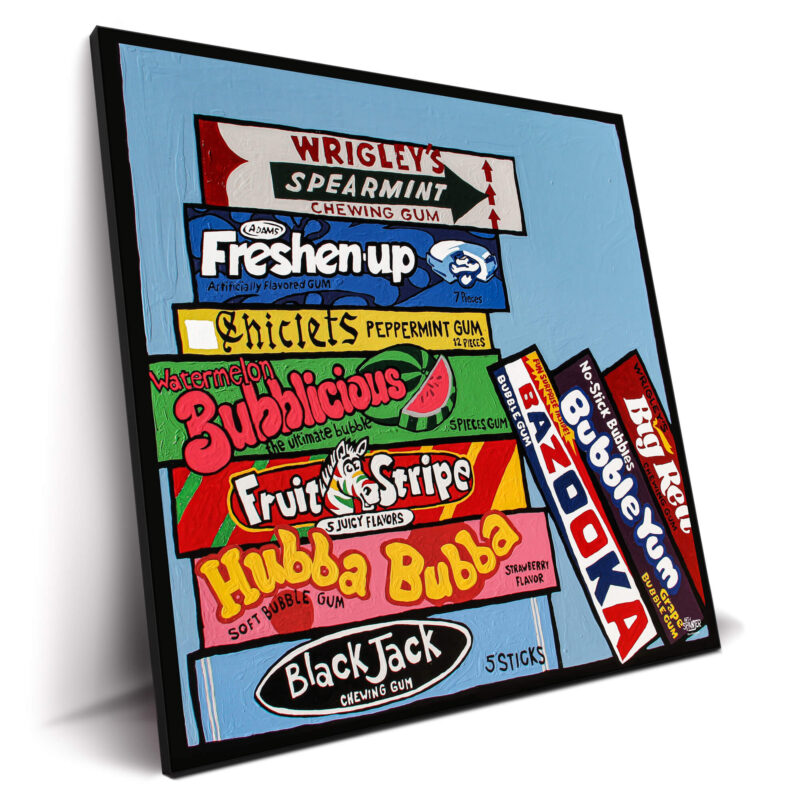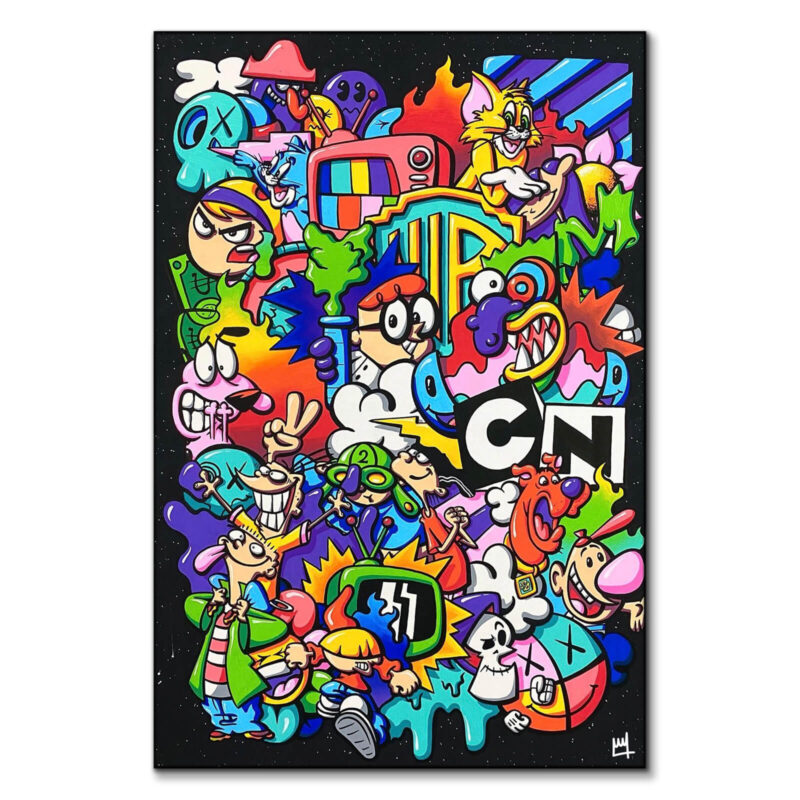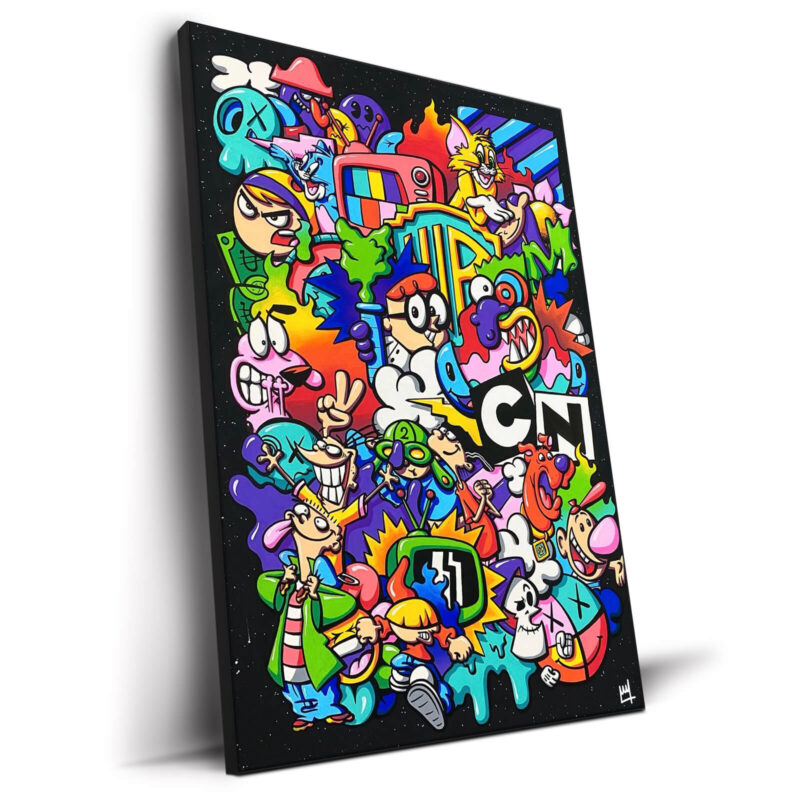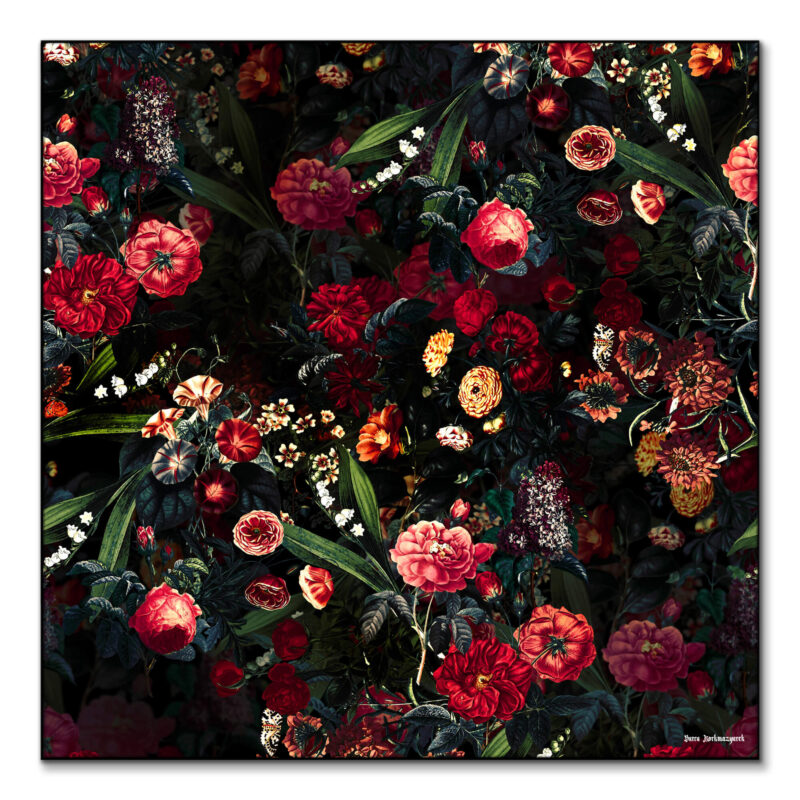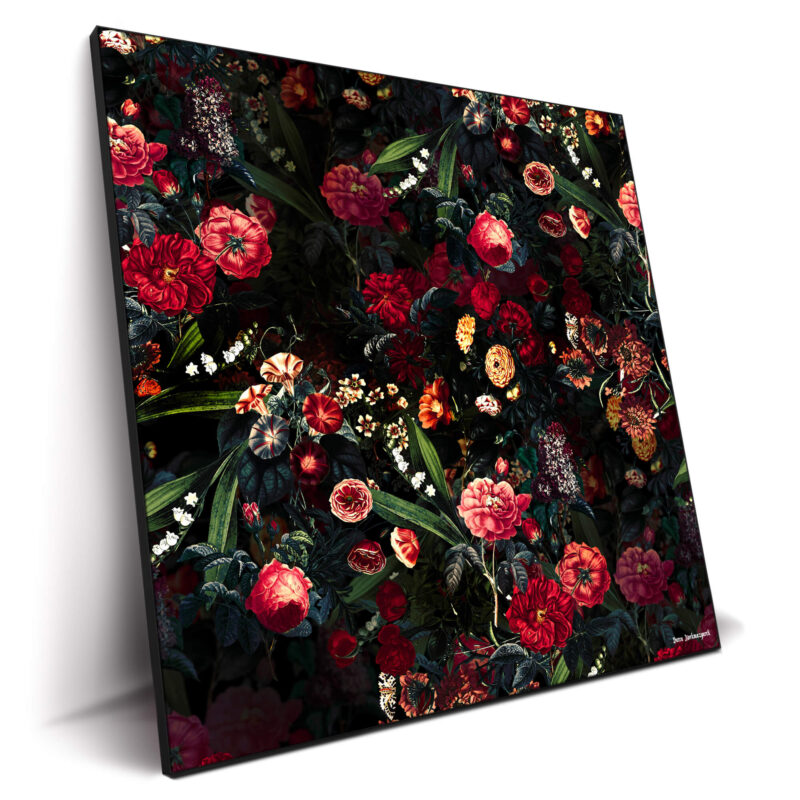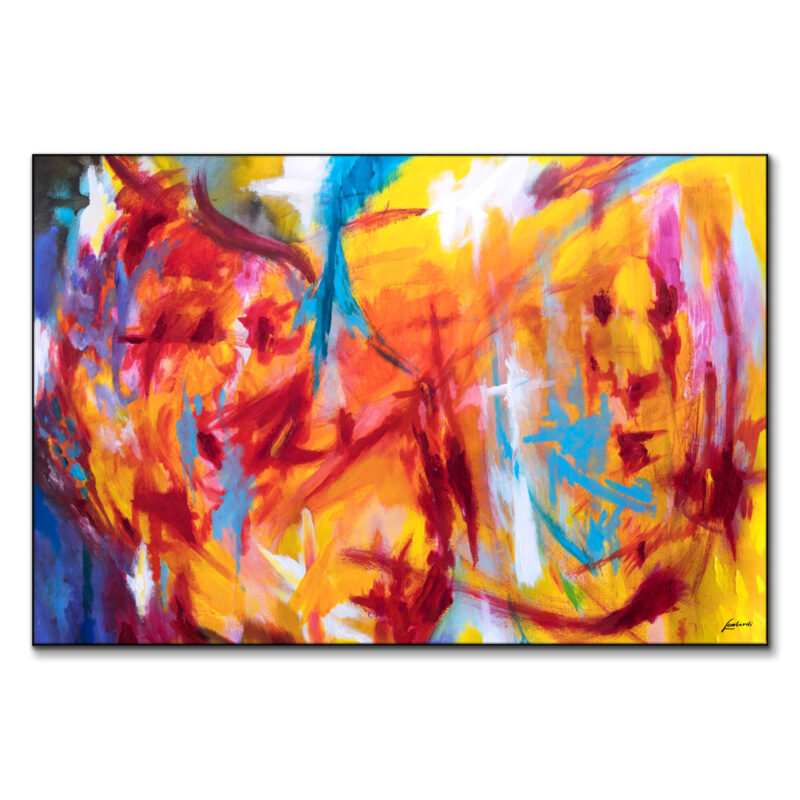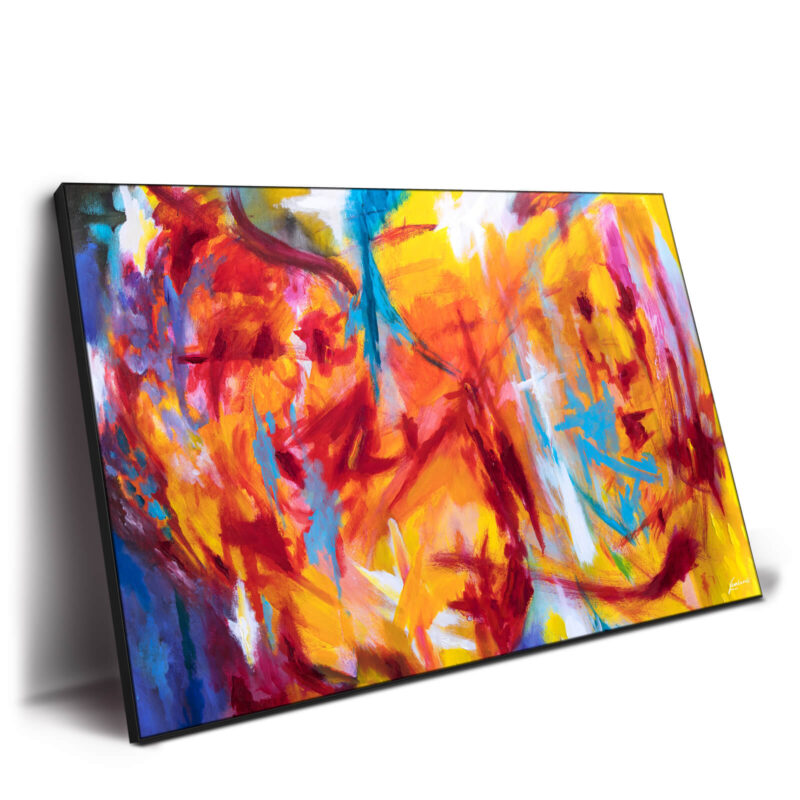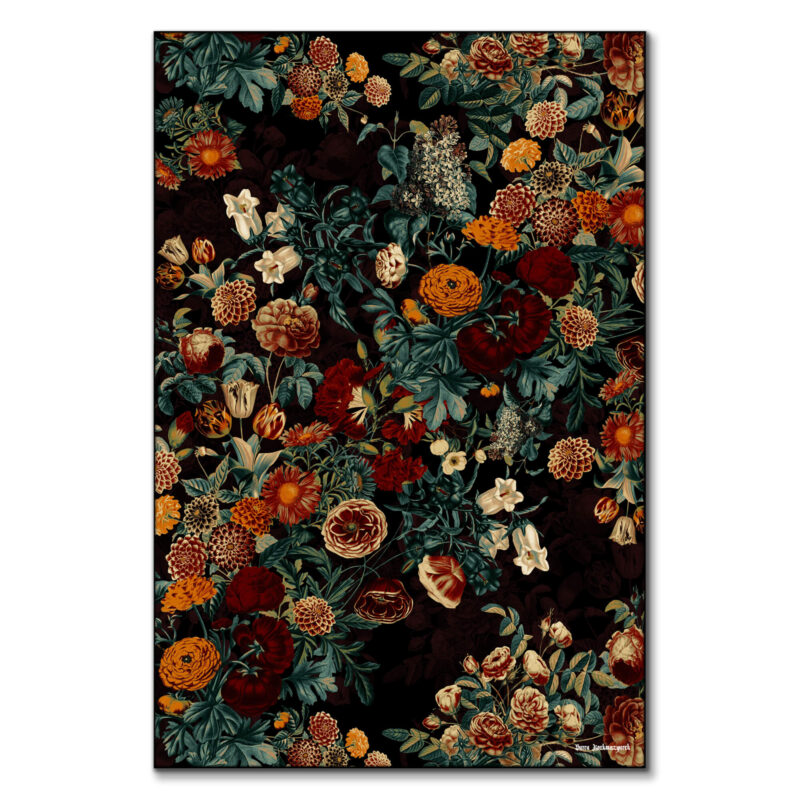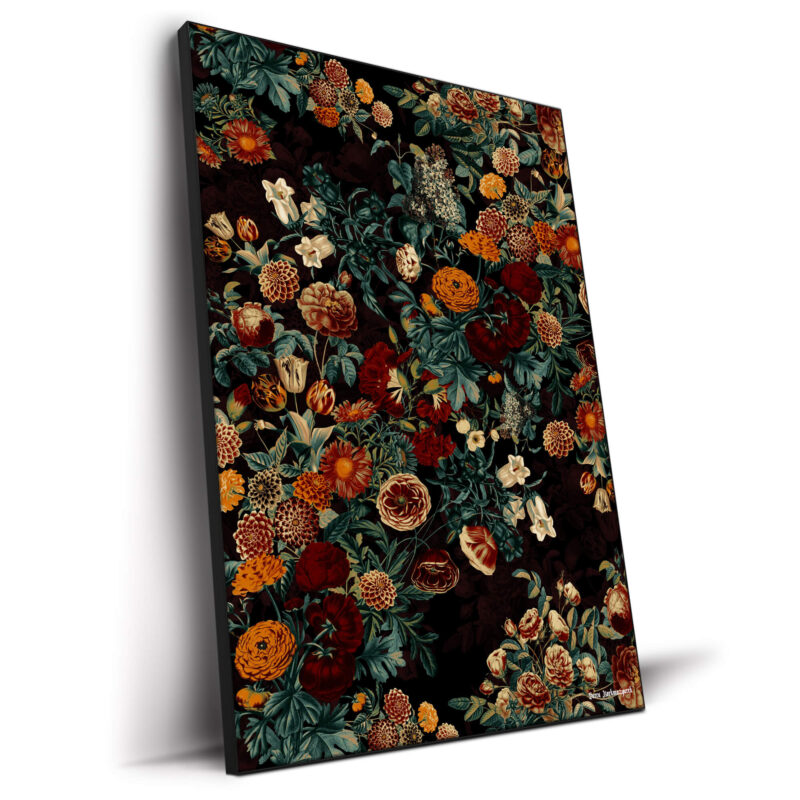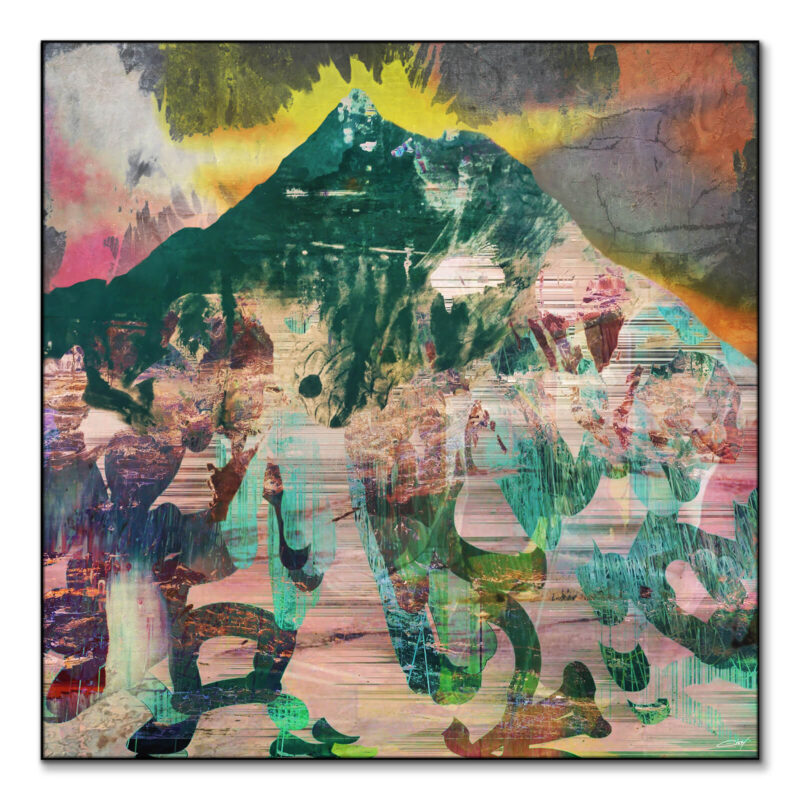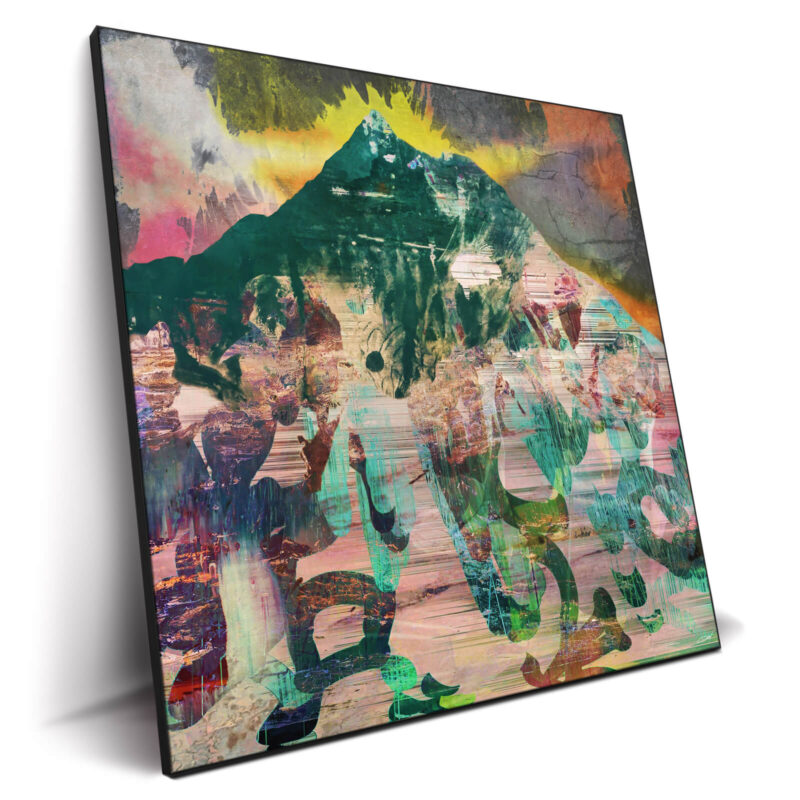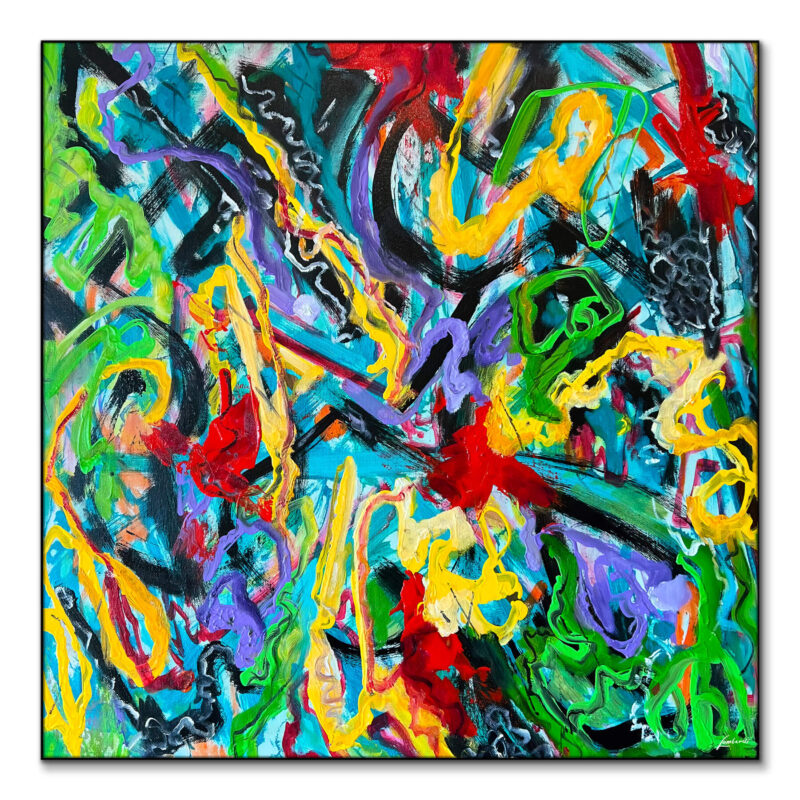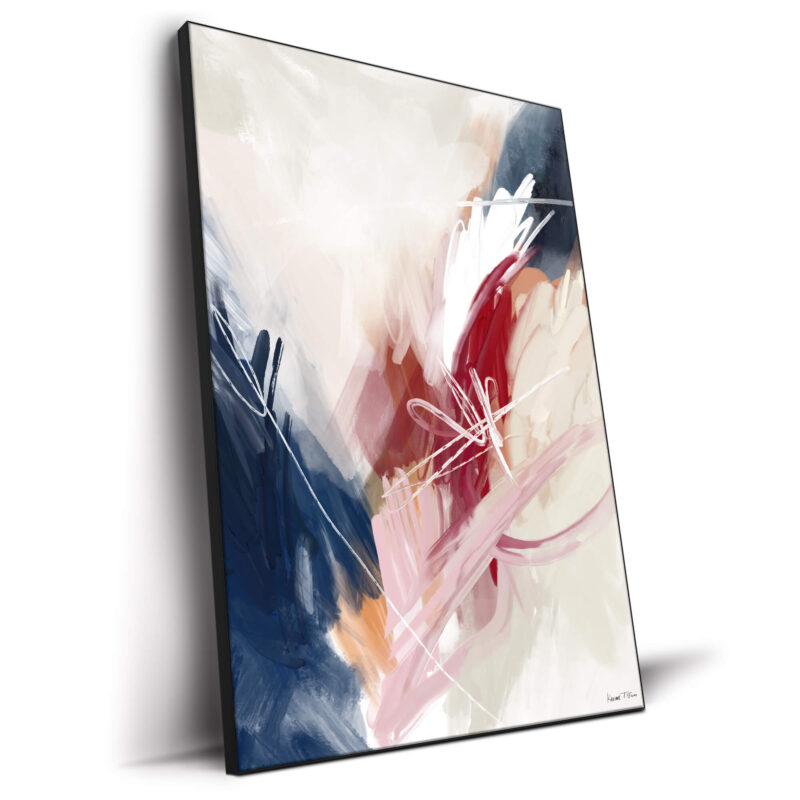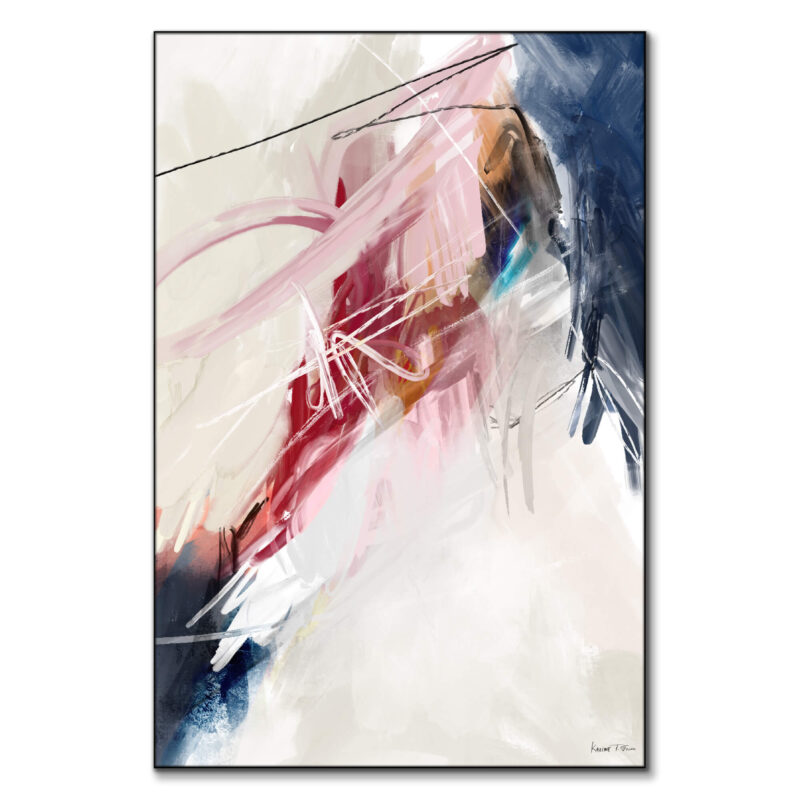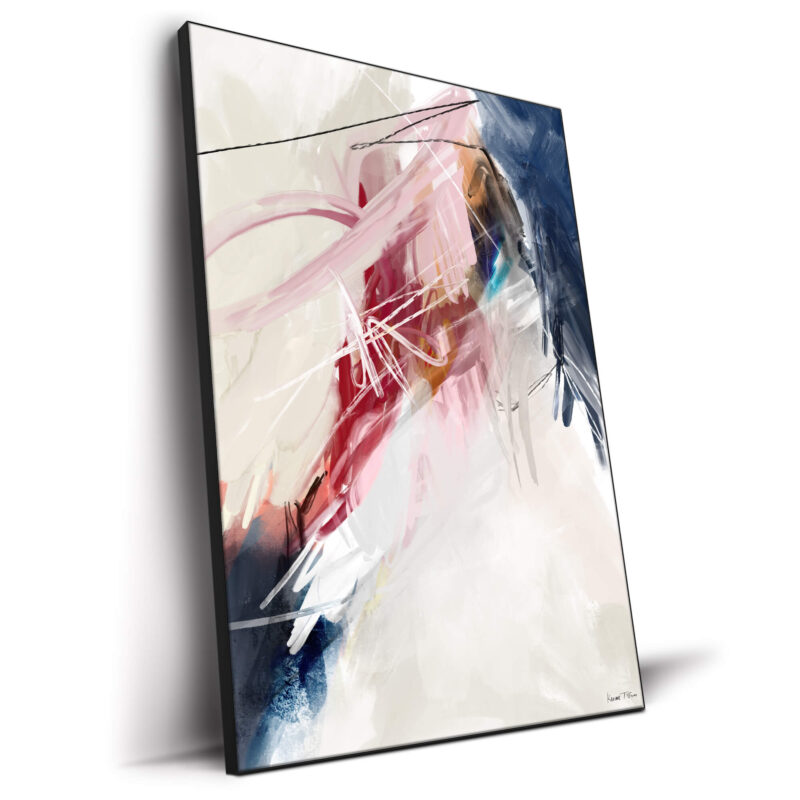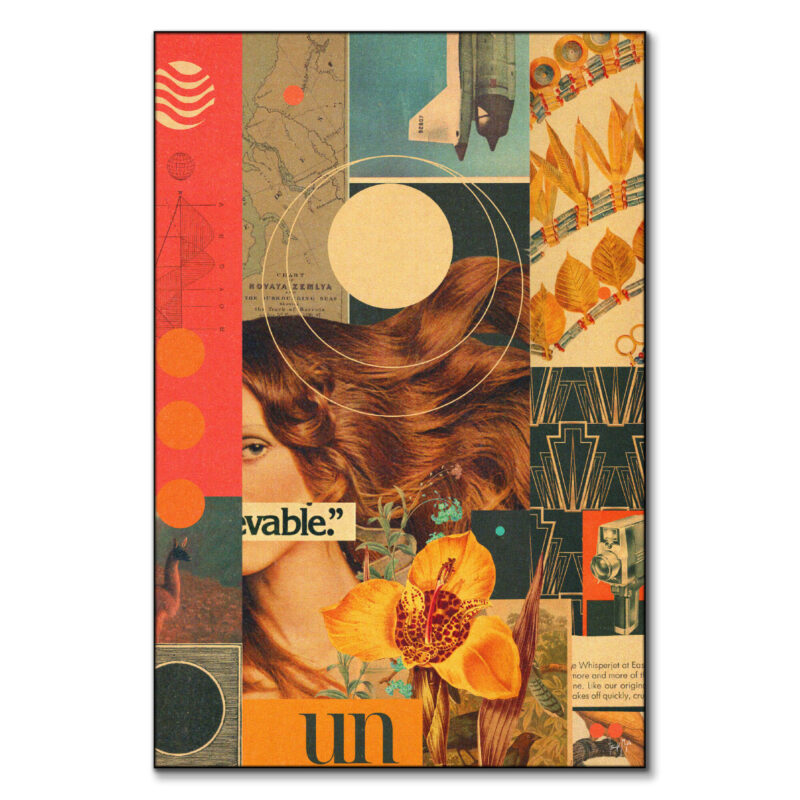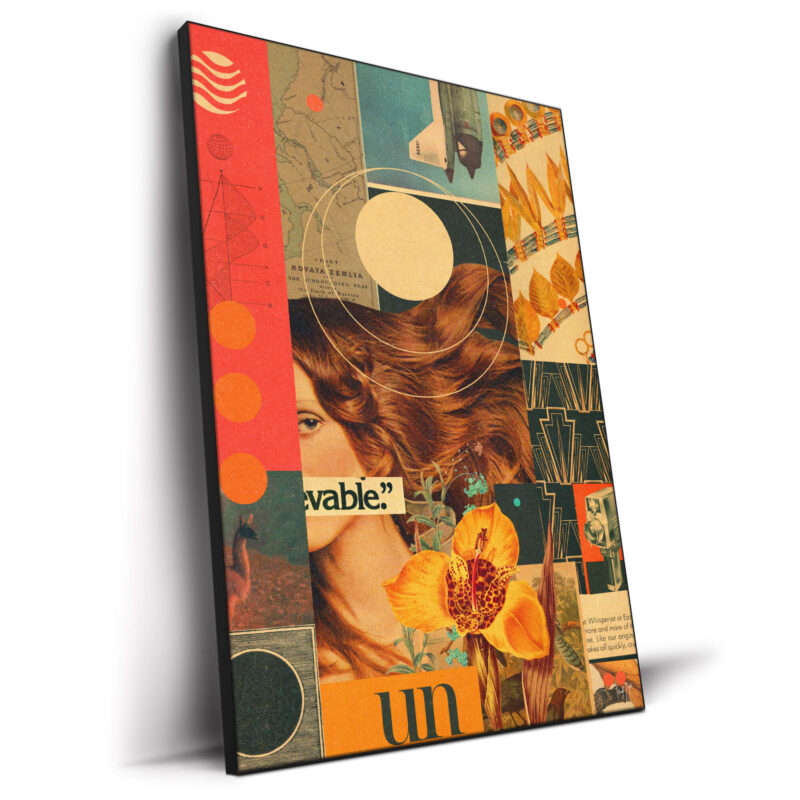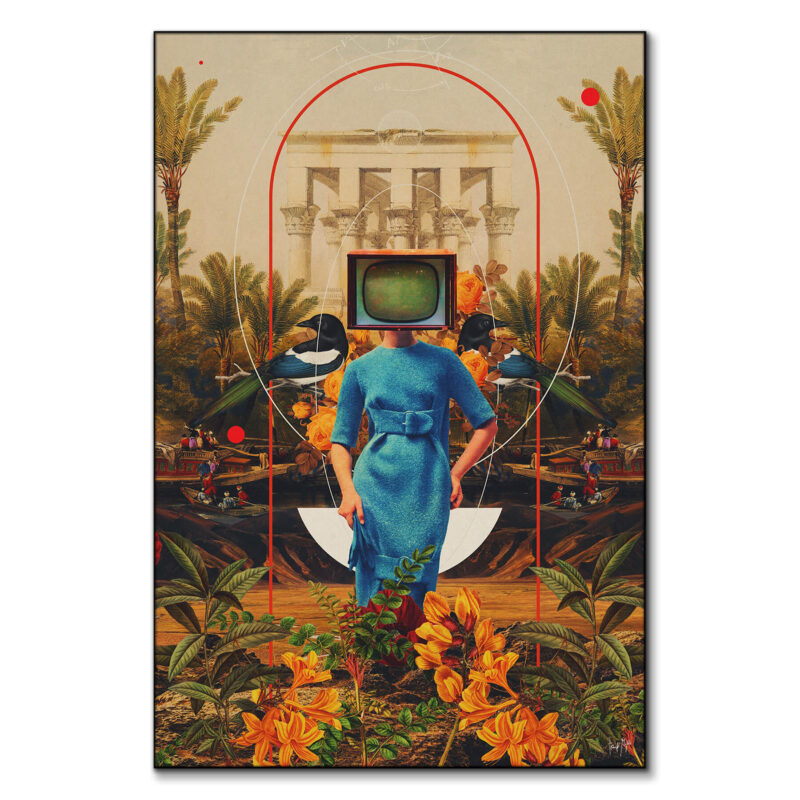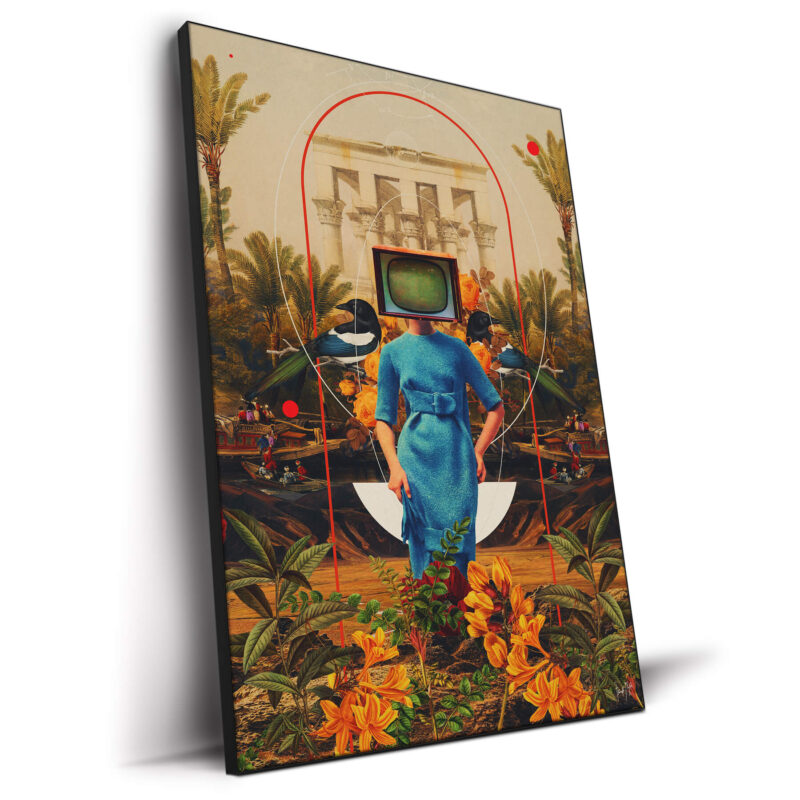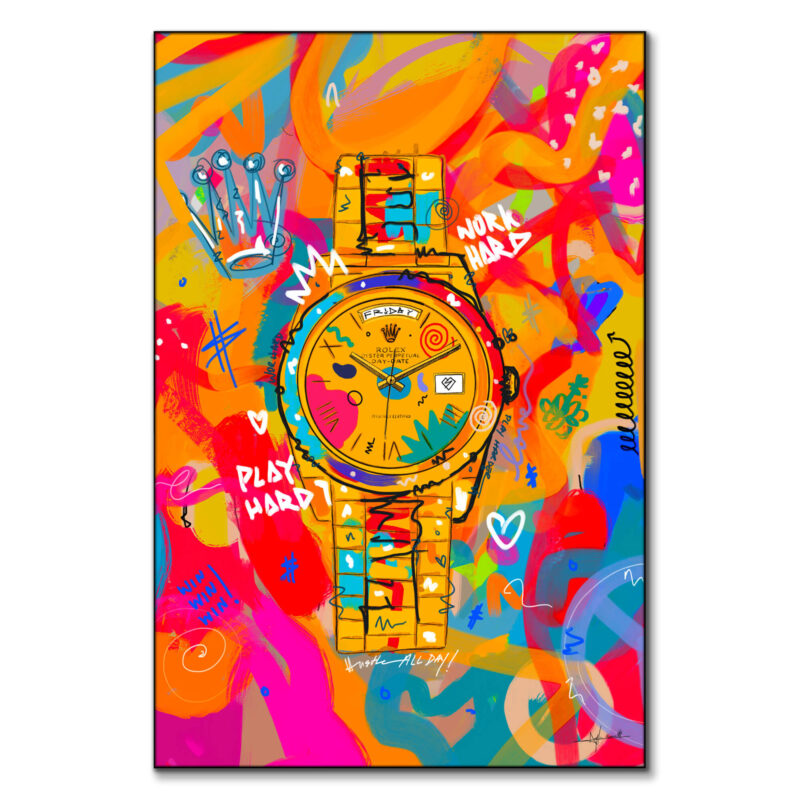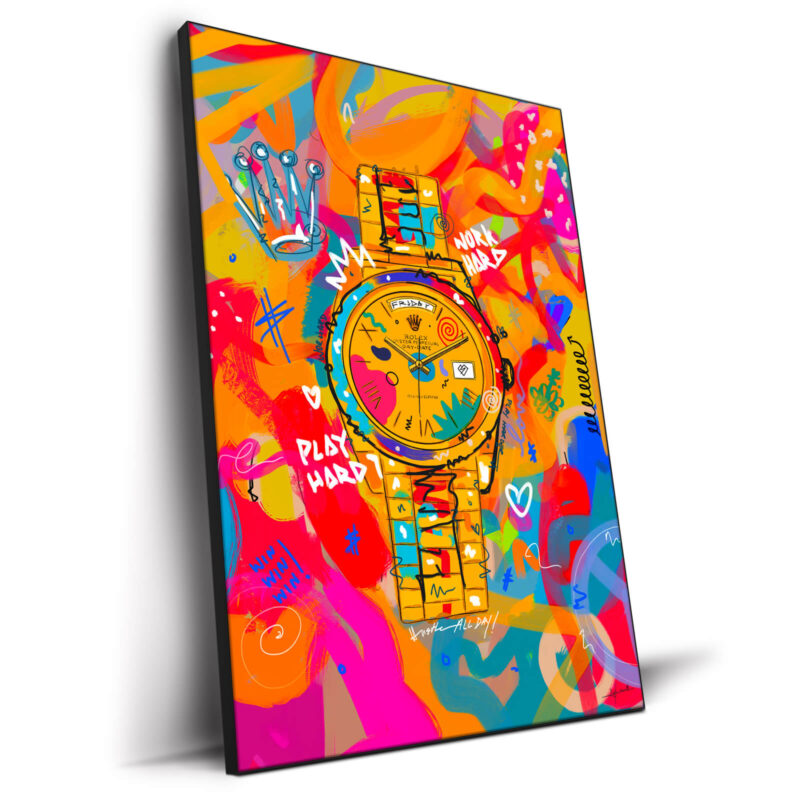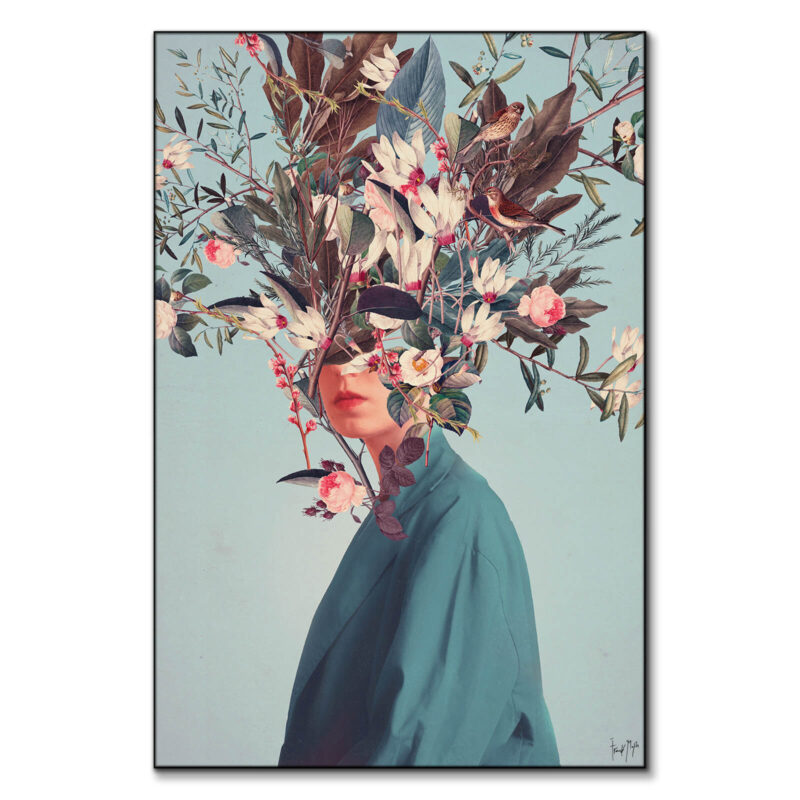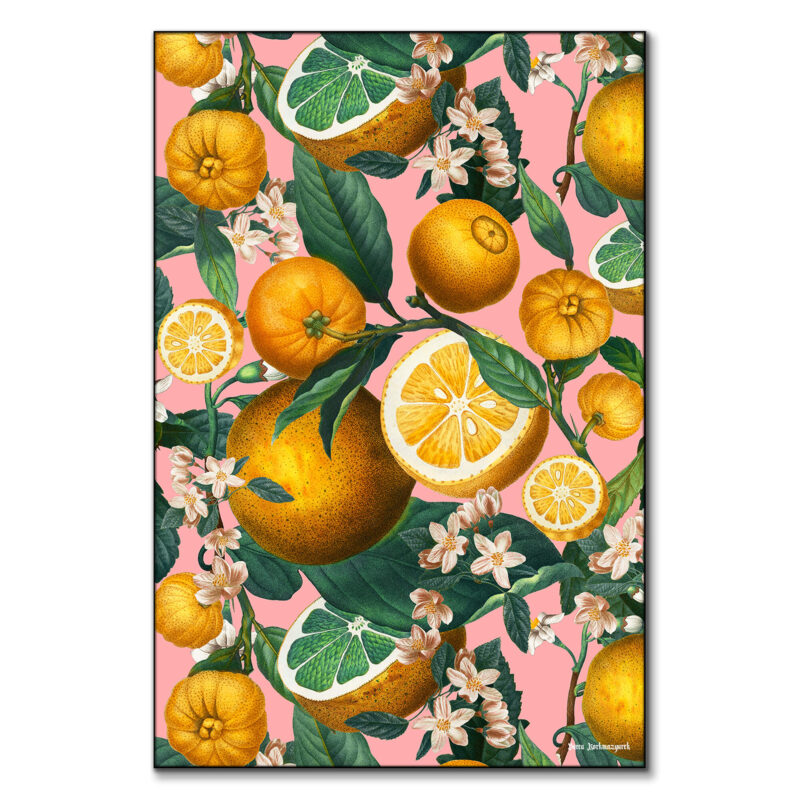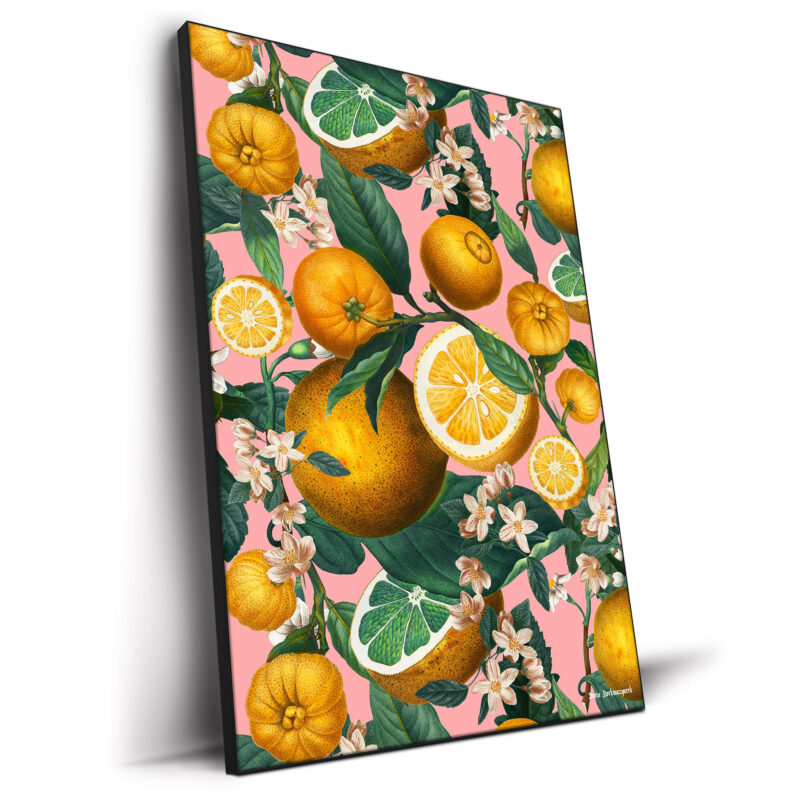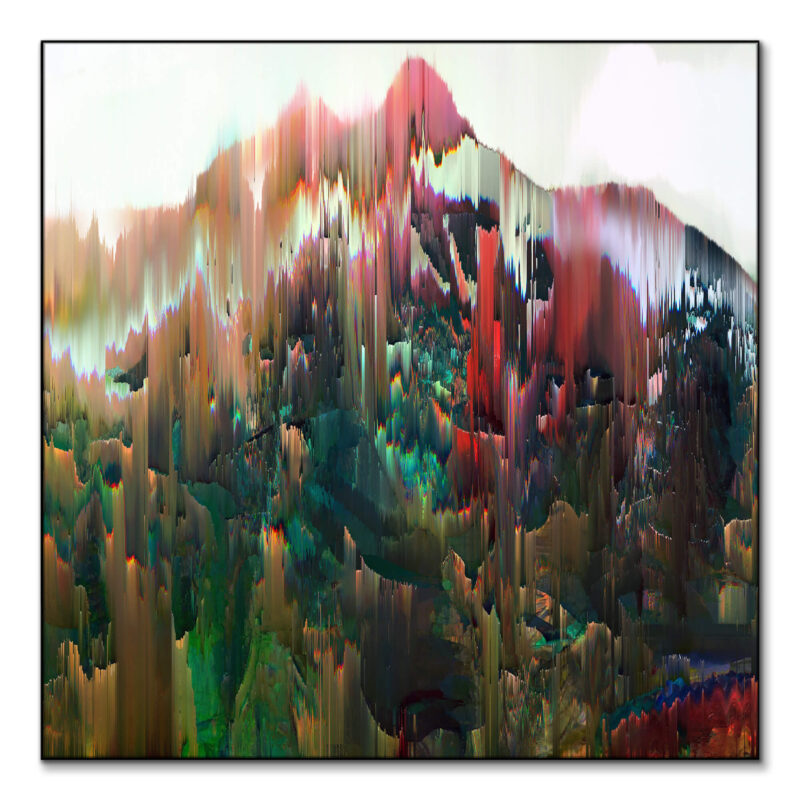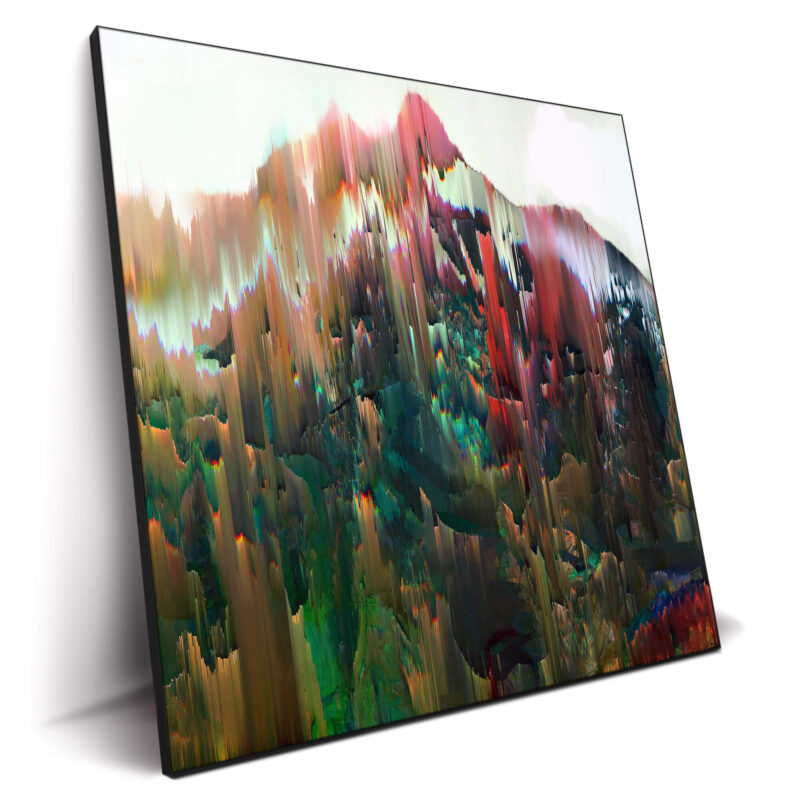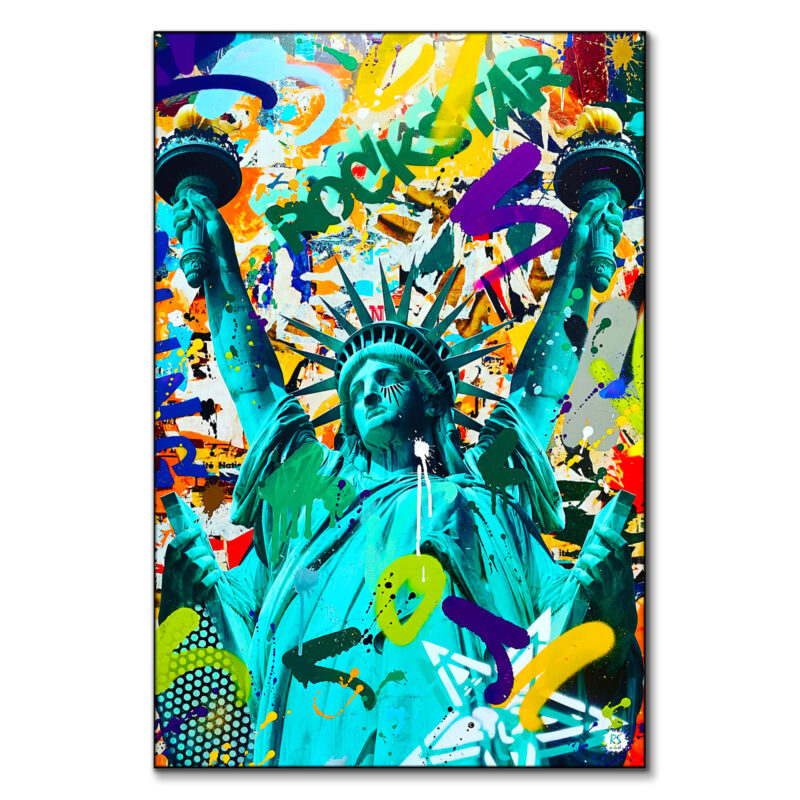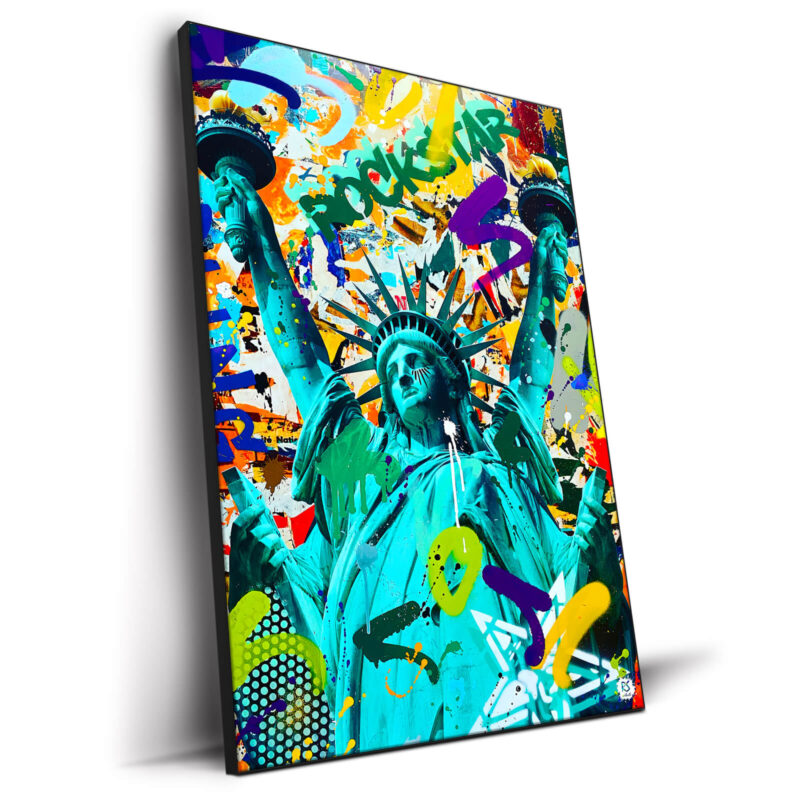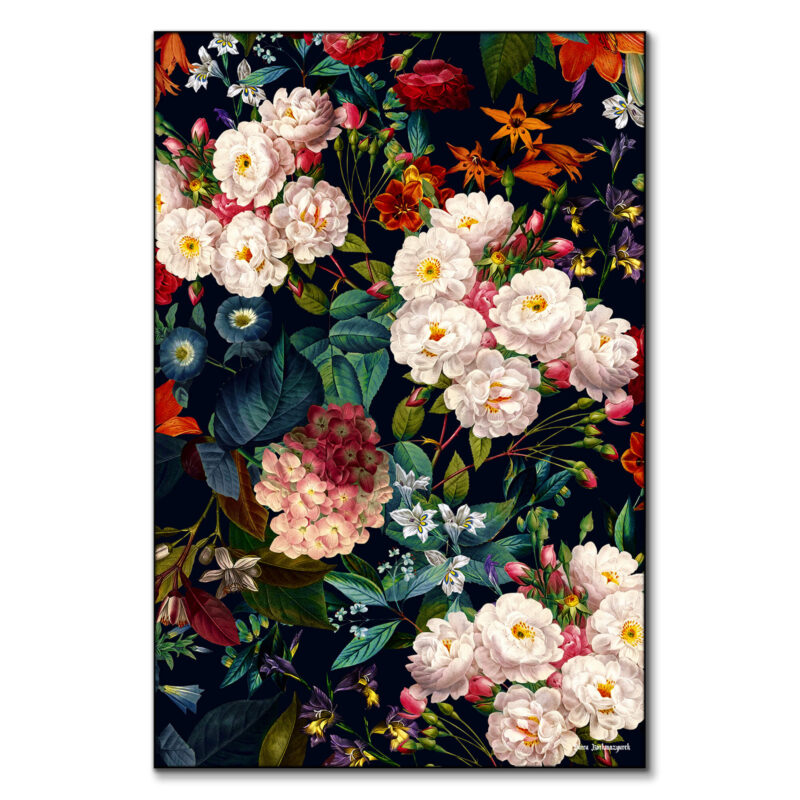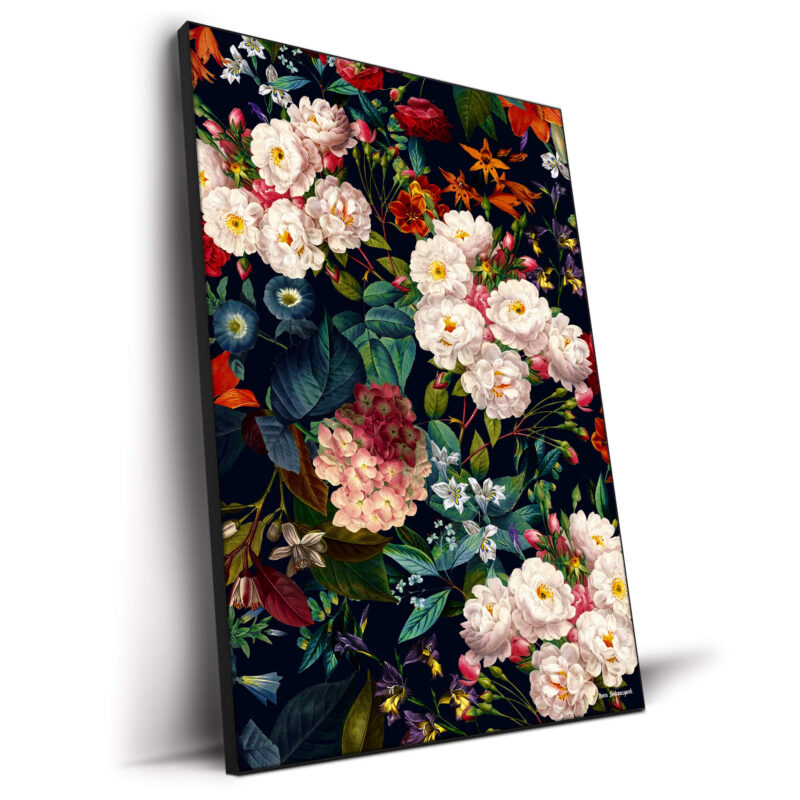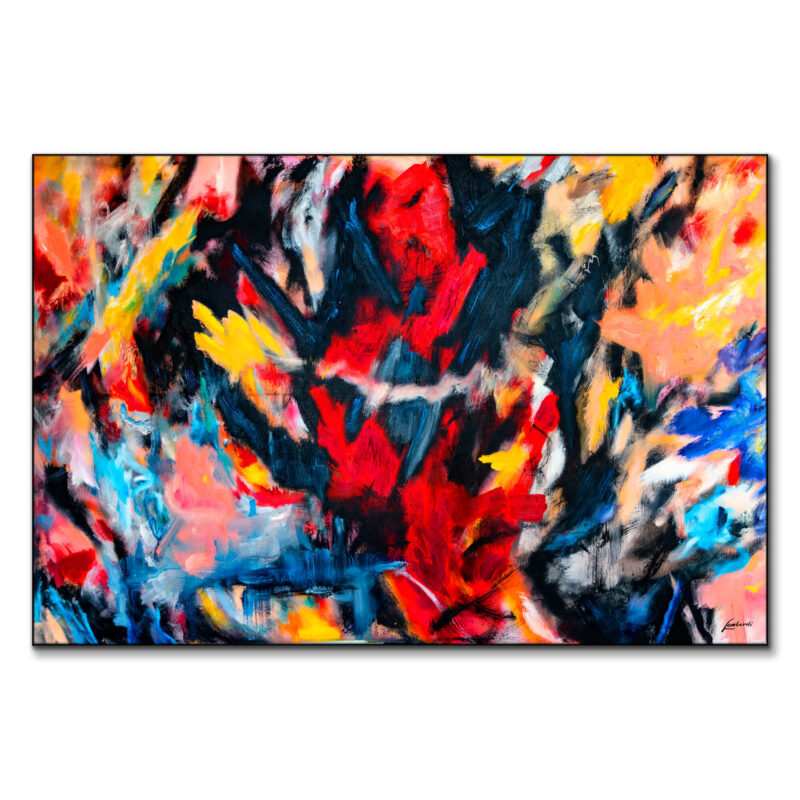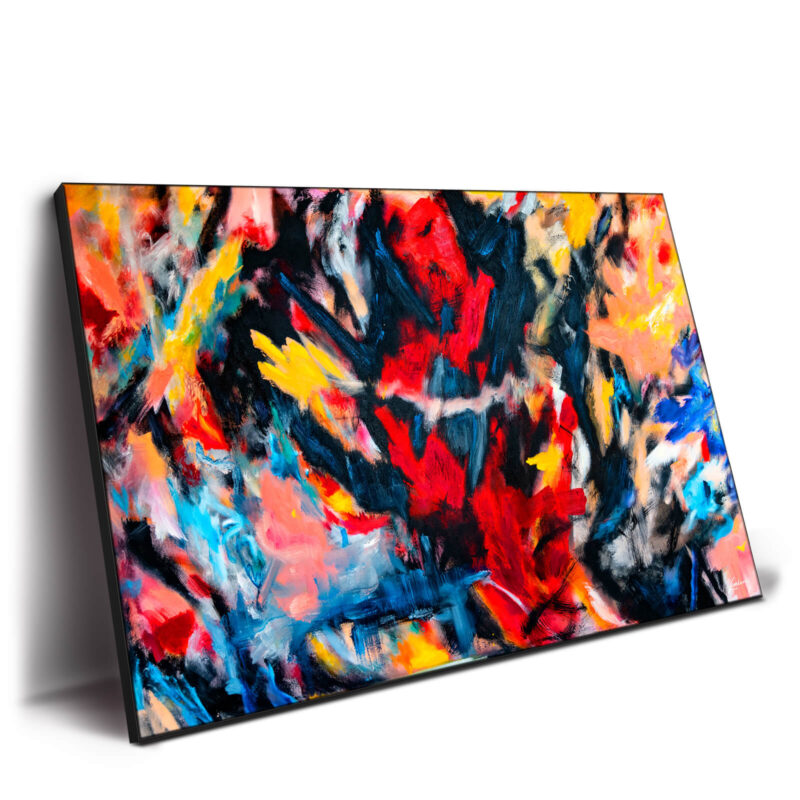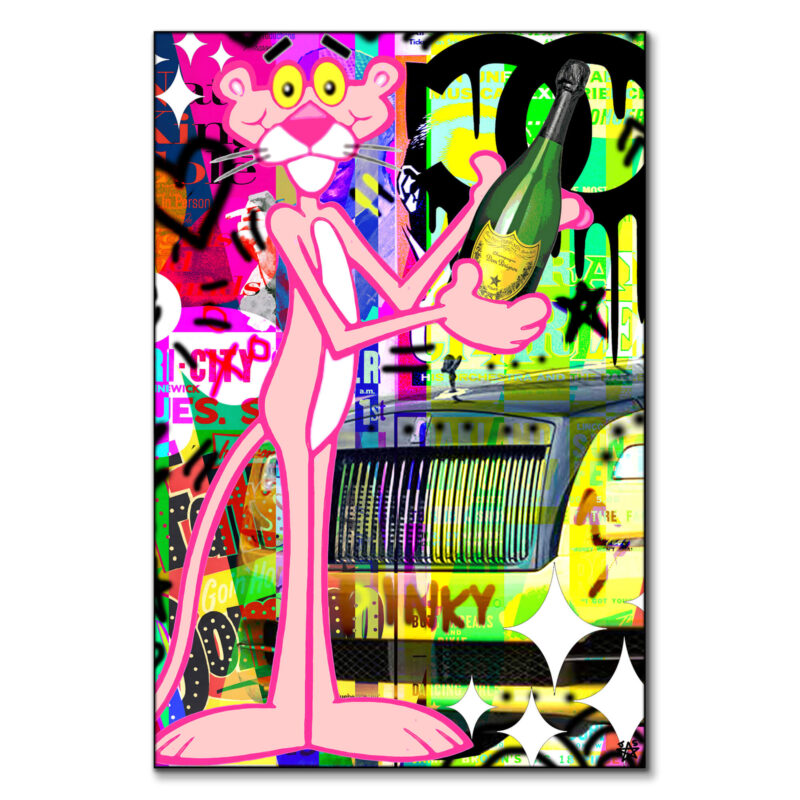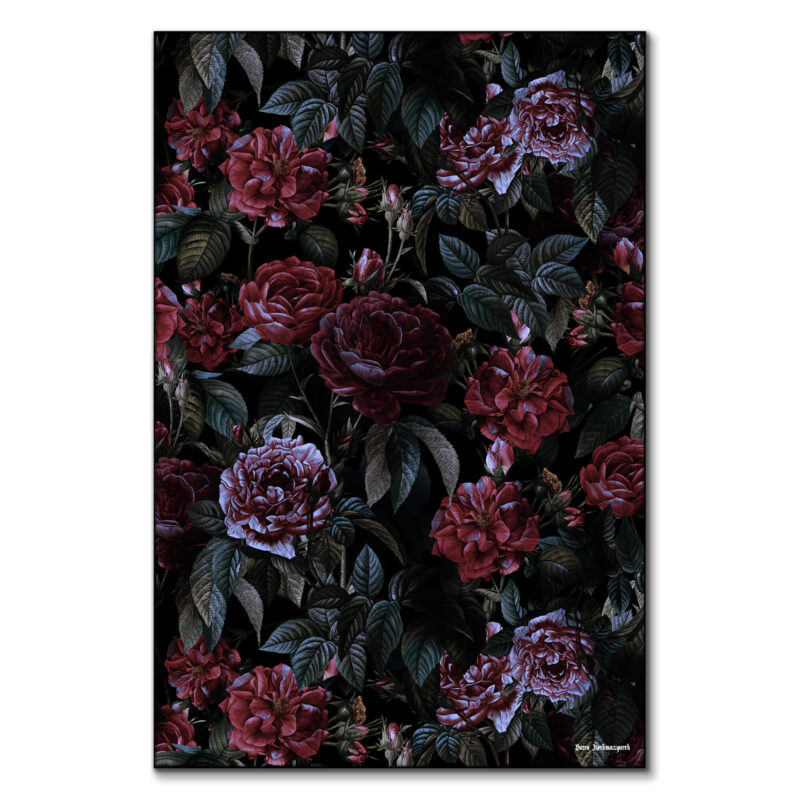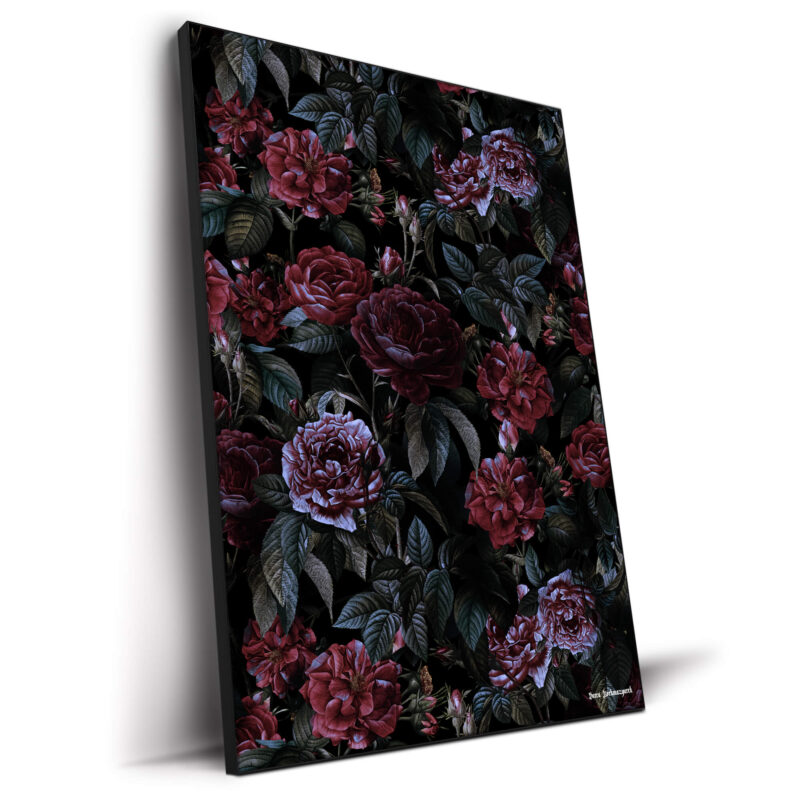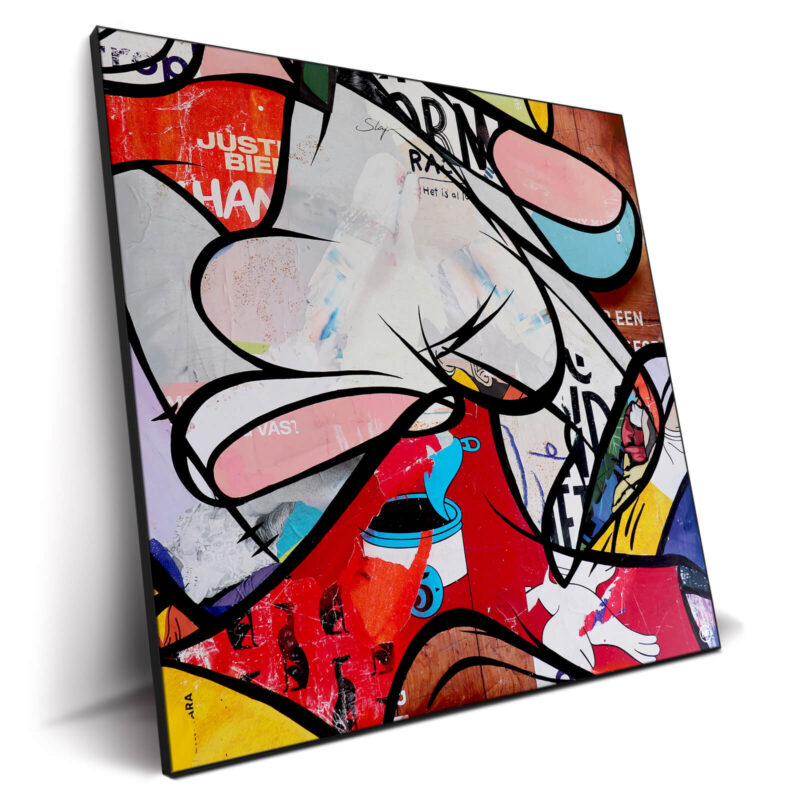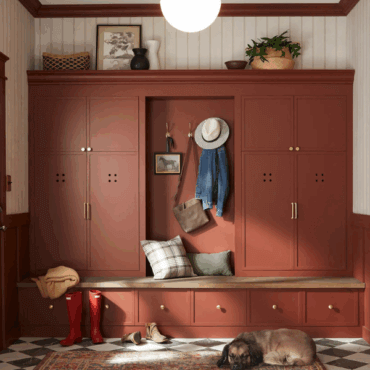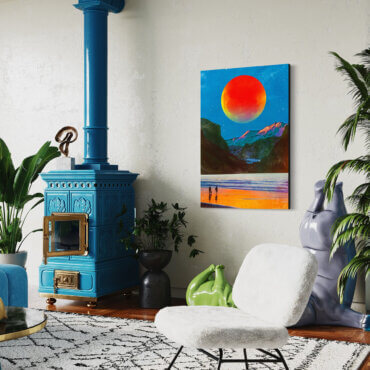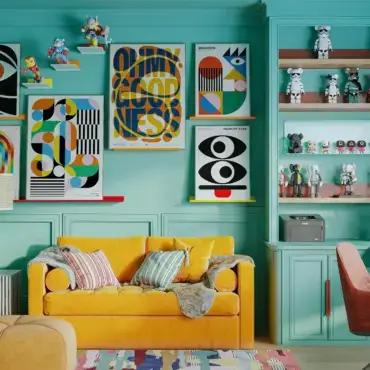
Maximalism has become an influential trend in contemporary interior design. It encourages expression, depth, and personal storytelling through layered decor and vivid visual presence. Unlike minimalism, which focuses on reduction, maximalism invites color, pattern, and statement artwork into the home. However, the line between bold and overwhelming can be thin. The key to successful maximalist wall art is intention. With thoughtful placement and cohesive elements, a bold space can feel both expressive and balanced.
This guide explains how to incorporate maximalist wall art in a way that enhances a room without creating visual clutter. The focus is on scale, color relationships, layout planning, and choosing pieces with lasting visual interest. Whether someone is experimenting with bold decor for the first time or refining an existing design style, these principles help create clarity and cohesion.
Understanding Maximalist Design
Maximalism does not mean filling every wall with as many pieces as possible. It should be about embracing richness and visual layers with purpose. A maximalist room often includes saturated tones, striking patterns, and curated collections. Wall art becomes one of the primary focal points, anchoring the composition of the room.
Successful maximalism relies on contrast and repetition. When a space includes multiple bold elements, repeating certain colors, textures, or shapes helps the room feel connected. The wall art should reflect and reinforce these relationships.
Why Large Wall Art Works Well in Maximalist Spaces
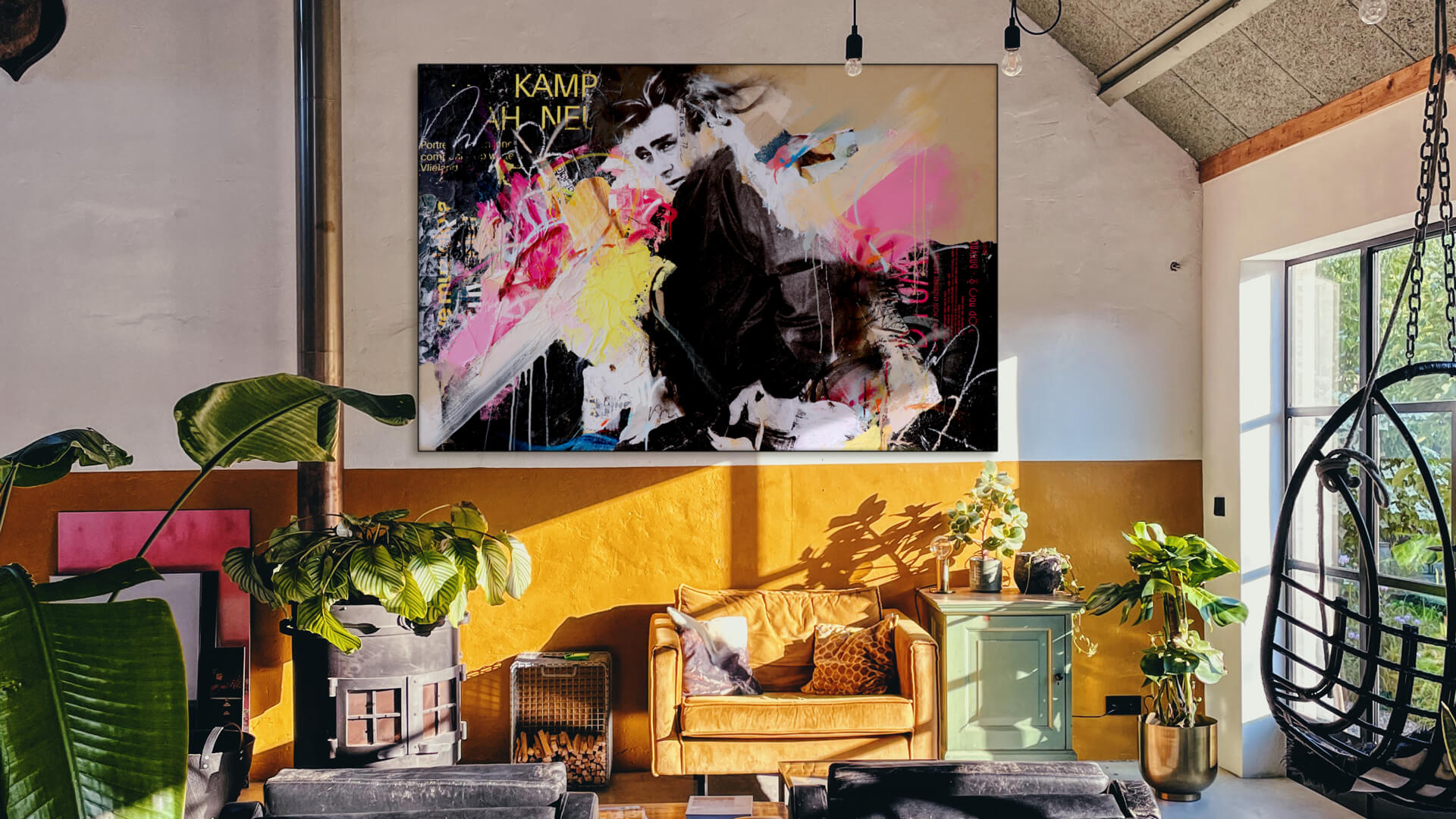
Large-scale art is particularly effective in maximalist environments. A single oversized piece can ground a room and provide a clear visual anchor. When a bold print or painting occupies central space, the eye has a natural starting point. This creates clarity and structure even when the surrounding decor is layered or colorful.
Large wall art reduces the need for small filler pieces that can easily turn into clutter. Instead of many individual items competing for attention, one statement piece can carry aesthetic impact while still allowing the room to feel dynamic.
For living rooms, bedrooms, or dining spaces, art that is at least half the width of the furniture beneath it tends to create balanced composition. For example, a large print above a sofa or bed can define the visual layout of the entire space. Oversized art is a powerful tool in maximalist interior design because it provides both boldness and visual order.
Choosing a Color Palette That Supports Bold Expression
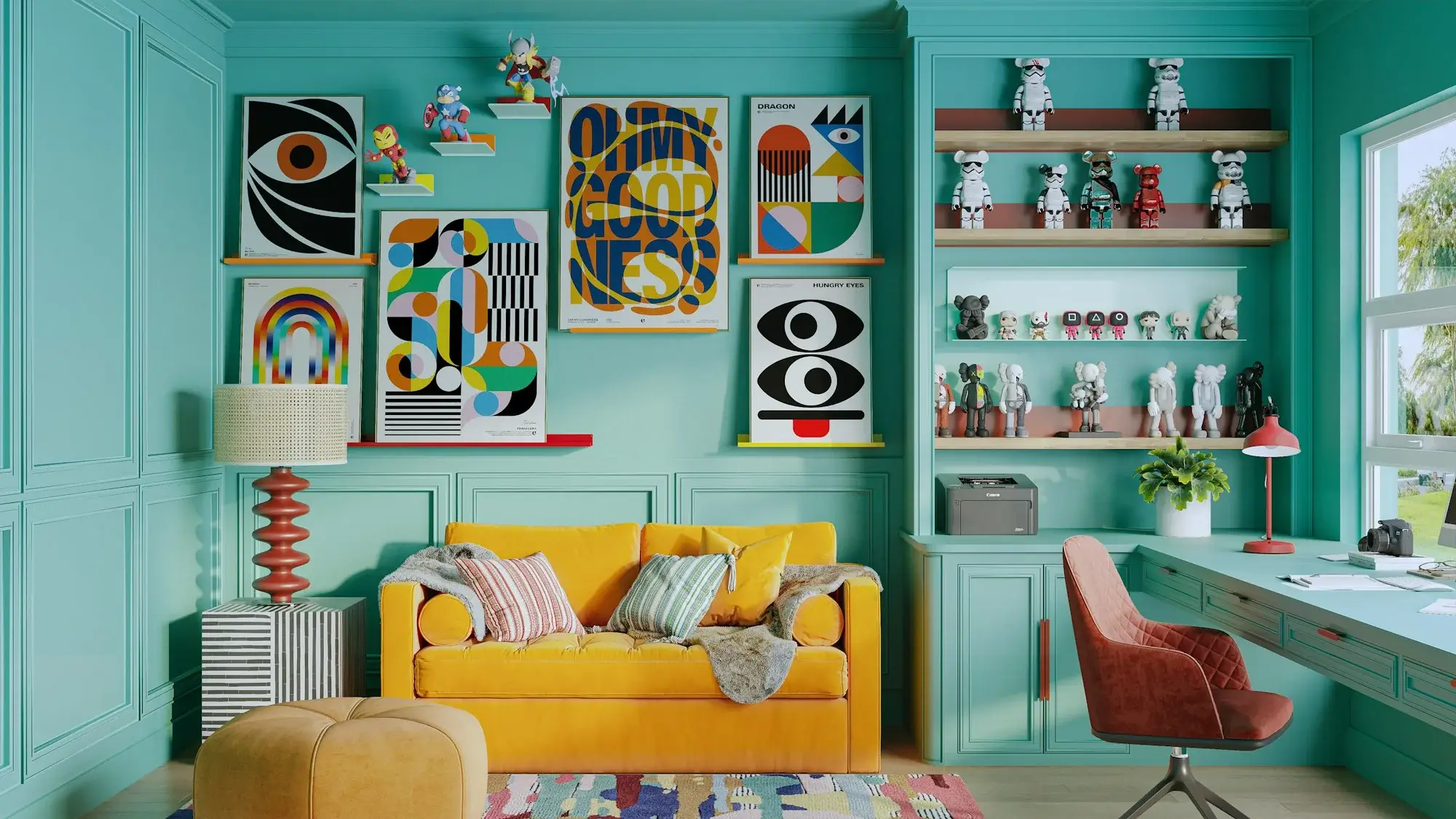
Color is one of the most defining characteristics of maximalist design. When selecting wall art, it is helpful to choose a palette that reflects the existing tones in the room. This can be done by repeating two to three core colors throughout the space. These repeated colors offer cohesion even when patterns or textures vary widely.
A useful approach is to start with the dominant colors already present in furniture, textiles, or architectural details. The wall art can then reinforce or elevate those tones. For example, if a room features warm amber, deep green, and cream, choosing artwork that includes at least two of those colors helps integrate it seamlessly.
If the desired impression is lively and expressive, artwork with high contrast can add energy. If the goal is a bold but serene environment, selecting saturated tones within the same color family can create depth without visual noise.
Layering Patterns and Textures Through Art
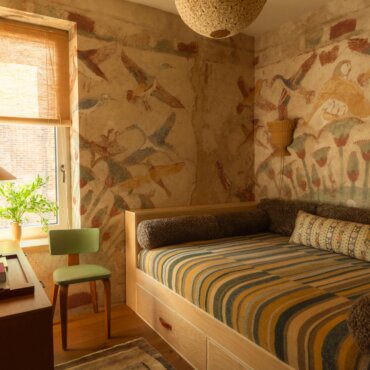
Maximalism thrives on variety. Pattern and texture add dimension to walls. Art prints, paintings, tapestries, and mixed-media pieces each contribute their own visual qualities.
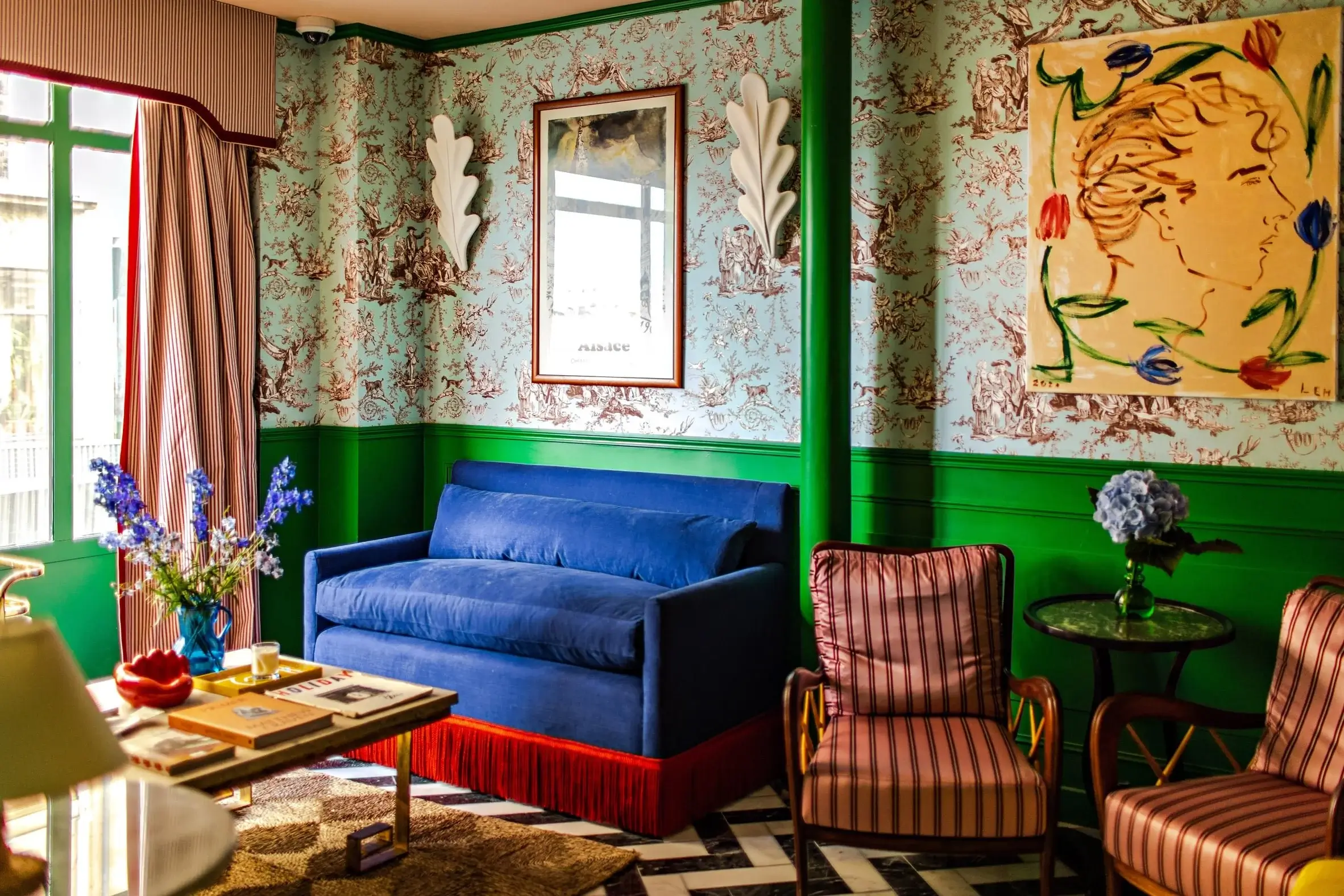
To avoid overcrowding, it is helpful to vary the scale of patterns. For instance, if wallpaper or textiles already include intricate or small-scale patterns, a piece of wall art with larger shapes or generous color fields provides balance. Alternatively, if the room has mostly smooth surfaces, an artwork with visible brush textures or layered forms can create tactile presence.
The goal is not to match textures exactly but to allow them to complement one another. When layering visually rich elements, a varied rhythm helps guide the eye naturally across the room.
Creating Intentional Layouts
Maximalist walls can take many forms. Some rooms feature a single large statement piece. Others incorporate a series of artworks in a structured gallery format.
For a single anchor piece, the objective is simple placement and strong presence. The artwork should be positioned at eye level, centered, and unobstructed.
For multiple artworks, arrangement is essential. Aligning the edges of frames or balancing shapes through symmetrical spacing can create harmony. Grids offer a clean structure that allows expressive imagery to feel organized. Organic arrangements, where pieces vary in size and placement, can also work well when unified by color or theme.
Spacing matters. Leaving enough room between wall art allows each piece to be appreciated. Even in maximalist spaces, visual breathing room is valuable.
Sustainability and Longevity in Bold Decor
Prioritizing durable and well-crafted art supports both aesthetic longevity and environmental responsibility. When wall art is made with archival or high-quality materials, the colors remain vibrant and the surface retains its clarity over time. Investing in pieces designed to last ensures that a maximalist space remains compelling without frequent replacements.
Choosing art that can be reframed, relocated, or integrated into evolving design concepts makes the space adaptable. Maximalism does not require constant change. Instead, it encourages gradual layering and refinement.
Summing it up
Maximalist wall art offers a dynamic way to enrich a home with expression, texture, and color. When guided by thoughtful scale, coordinated palettes, and balanced layouts, bold decor can feel immersive rather than overwhelming. The emphasis is on curation, visual harmony, and personal meaning. With careful selection, large-scale and expressive art pieces can transform interiors into distinctive, memorable environments that reflect individuality and depth.